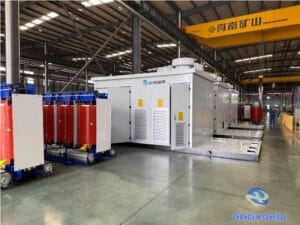
In recent years, frequent transformer explosion and fire accidents in urban substations and distribution rooms have caused power outages, equipment damage, and even personal injuries. A core industry question has emerged: why do oil-filled transformers suffer frequent explosion accidents, while dry-type transformers rarely experience violent blasts?
The essential difference lies in their insulating medium and internal operating principles. This comprehensive safety guide fully compares oil-filled transformers and dry-type transformers, covering explosion mechanisms, root causes, early warning symptoms, professional prevention measures, scenario-based selection standards, and standardized emergency disposal solutions. It provides overseas engineering contractors, property managers, and power system operators with authoritative transformer selection and operation & maintenance safety schemes.Browse our full range of safe and certified transformer products to match high-standard project safety requirements.
1. Core Differences: Explosion Mechanism of Oil-Filled vs Dry-Type Transformers
The explosion risk and failure logic of the two mainstream distribution transformers are completely different. Oil-filled transformers face high risks of chain deflagration and fuel injection explosion, while dry-type transformers only have local burning risks with almost no violent explosion hazards.
1.1 Oil-Filled Transformer: High Explosion Risk with Chain Combustion
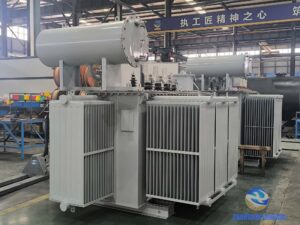
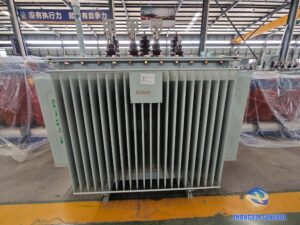
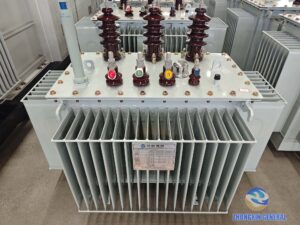
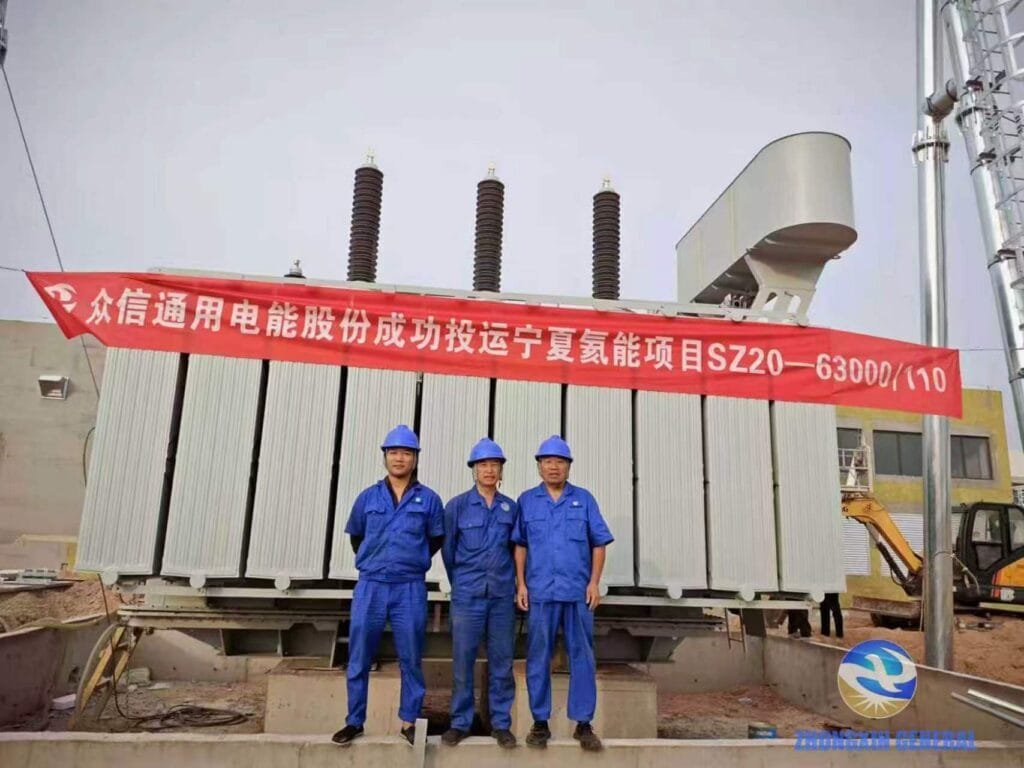
Oil-filled transformers immerse iron cores and windings in insulating mineral oil for heat dissipation and insulation. Once internal faults occur, high temperature and electric arcs decompose insulating oil into massive flammable hydrocarbon gas, leading to rapid pressure surge inside the closed fuel tank and triggering secondary explosion and fuel injection fire. The complete failure chain is: Internal arc generation → Insulating oil pyrolysis → Flammable gas accumulation → Closed tank pressure spike → Failure of pressure relief device → Tank rupture & high-temperature oil injection explosion.
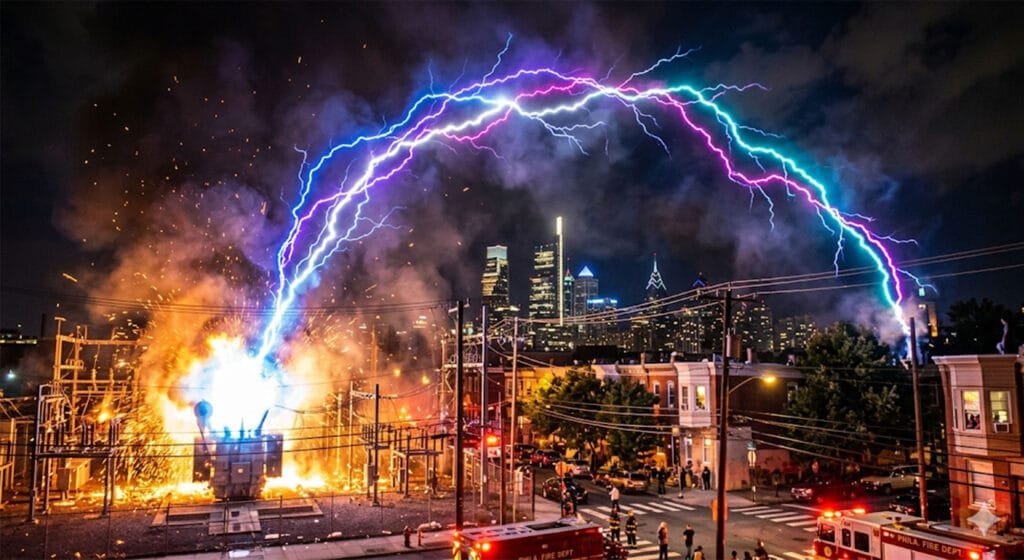
Four Core Explosion Inducements of Oil-Filled Transformers:
- Long-term overload operation and summer peak load exceeding the standard, causing overheating aging of oil-paper insulation
- Turn-to-turn/phase-to-phase short circuit and lightning overvoltage, generating high-energy electric arcs
- Aging and failure of sealing components, water ingress leading to reduced insulation strength of transformer oil
- Malfunction of gas relay (gas protection) and pressure relief valve, failing to release pressure and warn in advance
Accident Consequences: Spreading fuel fire, strong explosion shock wave damaging surrounding power equipment; closed basement substations are prone to casualties and environmental pollution accidents. For verified safe substation construction cases that avoid such risks, explore our reliable oil-immersed transformer products for practical project references.
1.2 Dry-Type Transformer: Ultra-Low Explosion Risk with Local Failure Only
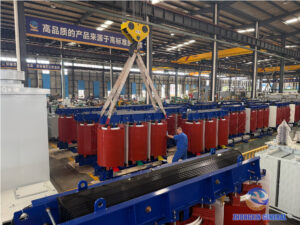
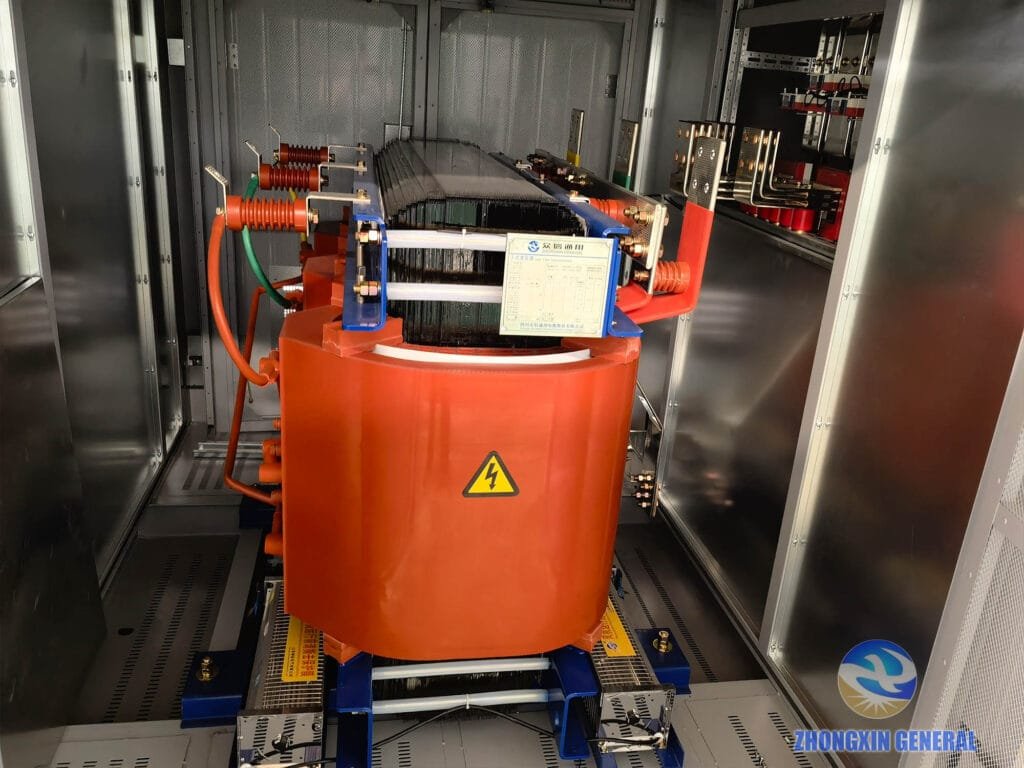
Dry-type transformers adopt solid epoxy resin insulation without any flammable insulating oil. They will not cause fuel injection explosion or chain deflagration. Individual failures only lead to local winding burnout and slight shell fragment splashing, with no strong explosion shock wave. The explosion logic of dry-type transformers is limited to local fault energy accumulation → rapid gas expansion in closed cabinet → structural breakage under overpressure.
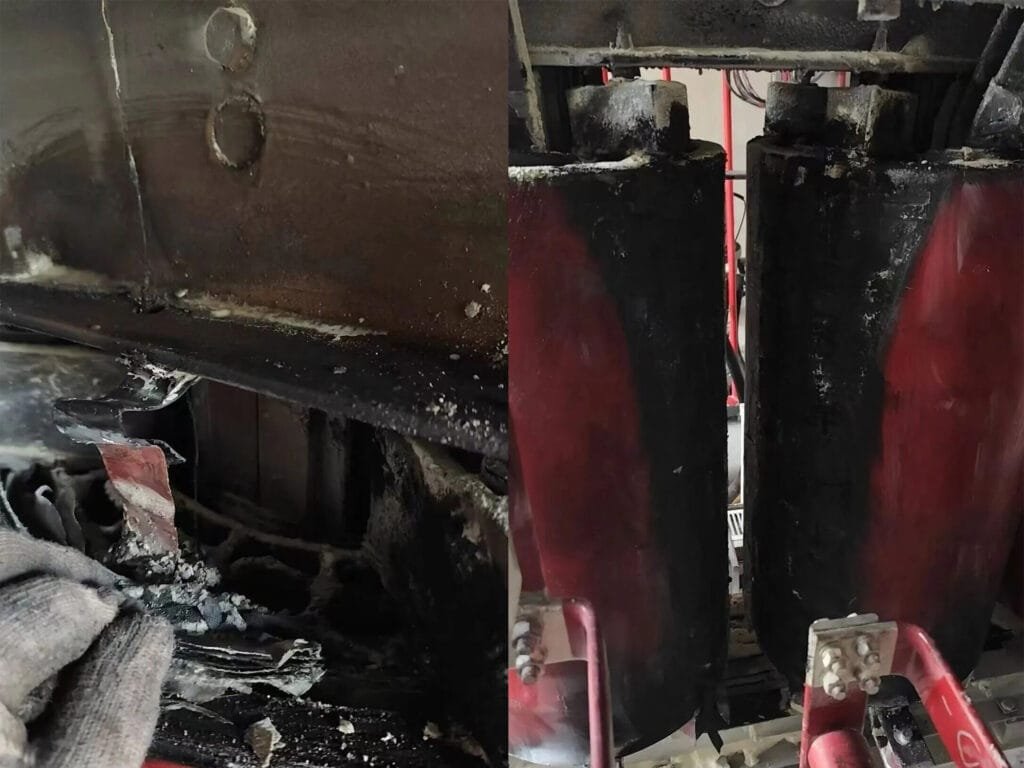
Five Core Fault Inducements of Dry-Type Transformers:
- Aging and deterioration of insulation system caused by long-term heat, overvoltage impact and humid/dusty harsh environment, leading to creepage and flashover faults
- Severe long-term overload and insufficient heat dissipation, resulting in rapid winding temperature rise and coil short circuit
- Turn-to-turn short circuit caused by insulation damage, mechanical vibration or manufacturing defects, with arc high temperature cracking epoxy casting structure
- Loose wiring increases contact resistance, triggering a vicious cycle of heating and oxidation, and causing phase-to-phase or ground short circuit
- Hidden dangers of local overheating and insulation damage caused by casting bubbles and inferior insulating materials
Accident Consequences: Only local damage to single coil, no flowing combustible medium, self-extinguishing after power failure, no large-scale fire spread risk. All our dry-type transformer products strictly follow this safety performance standard, view dry-type transformer product parameters and certifications.
2. Early Warning Signs of Transformer Explosion (Must Stop Operation Immediately)
More than 90% of transformer explosion accidents have obvious early warning signs in the early stage. Ignoring minor abnormalities will eventually lead to catastrophic faults. The exclusive pre-failure symptoms of oil-filled and dry-type transformers are summarized as follows:
2.1 Early Warning Signs of Oil-Filled Transformer Explosion
Once any of the following abnormalities occurs, the transformer must be shut down for maintenance immediately:
- Abnormal and uneven internal operating sound with obvious cracking explosion noise
- Continuous temperature rise under normal cooling conditions with no load fluctuation
- Oil pillow fuel injection or explosion-proof tube oil ejection
- Severe oil leakage leading to oil level lower than the minimum limit of oil level gauge
- Severe deterioration of oil color with visible carbon deposits in transformer oil
- Crack damage and discharge flashover on bushing surface
2.2 Early Warning Signs of Dry-Type Transformer Explosion
- Ununiform internal operating sound with continuous discharge and cracking noise
- Winding temperature rises sharply and continuously, which cannot be controlled even with full-load operation of cooling fans
- Insulation cracking smoke emerges from cabinet gaps and observation windows, accompanied by epoxy resin burning odor
- Cracking and local carbonization blackening on epoxy surface, with obvious creepage marks on insulating parts
- Frequent surface discharge and spark generation under stable load conditions
- Abnormal fluctuation of operating current and frequent alarm of relay protection device
- Blocked heat dissipation ducts cause long-term overheating of local hot spots and peeling of insulating layer
2.3 Explosion Risk Comparison: Oil-Filled vs Dry-Type Transformer
| Comparison Dimension | Oil-Filled Transformer | Dry-Type Epoxy Transformer |
|---|---|---|
| Explosion Possibility | High, prone to chain deflagration and tank overpressure explosion | Extremely low, harsh explosion conditions, only local fire occurs |
| Combustible Medium | Flammable mineral insulating oil, continuous combustion and gas production under arc action | Solid flame-retardant epoxy resin, self-extinguishing after power off, no combustible gas |
| Shock & Damage Degree | Strong explosion impact, easy tank rupture, high-temperature oil splash and large-area fire | No obvious shock wave, only local burnout and slight shell fragment splash |
| Pre-Fault Characteristics | Abnormal oil chromatography, gas protection action, pressure and oil temperature sudden rise | Winding overheating, terminal overheating, insulation carbonization, local creepage discharge |
3. Professional Explosion Prevention Measures & Daily O&M Standards
The core prevention logic of the two transformers is different: oil-filled transformers focus on preventing insulating oil decomposition, leakage and pressure accumulation; dry-type transformers focus on overheating control and insulation protection. Standardized regular inspection and maintenance can eliminate 99% of explosion hidden dangers.
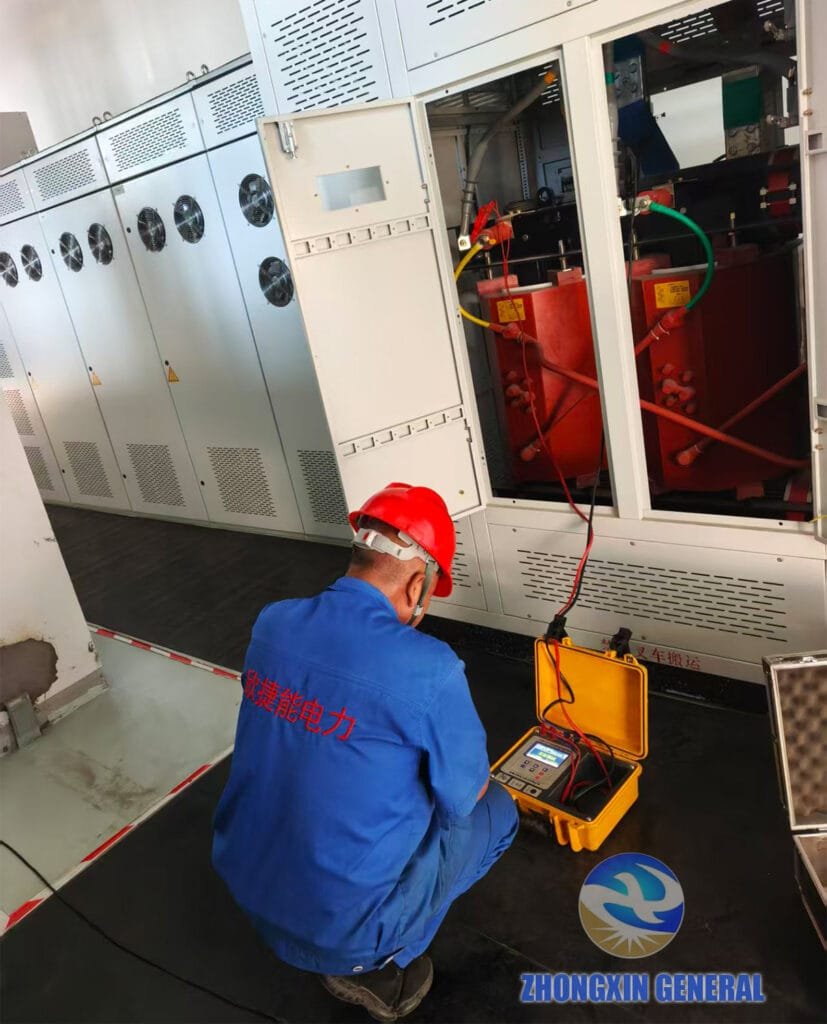
3.1 Explosion Prevention for Oil-Filled Transformers
Core Prevention Measures:
- Annual Oil Chromatography Test (DGA): Detect dissolved gas components in oil to predict internal hidden faults in advance
- Pressure Protection Calibration: Ensure gas relay and pressure relief valve are sensitive and reliable, realizing rapid power-off protection under abnormal pressure
- Regular Leakage Inspection: Check oil level, sealing gaskets and welds regularly to avoid insulation failure caused by oil shortage
- Lightning & Grounding Optimization: Improve lightning protection facilities to prevent insulation breakdown and tank explosion caused by lightning surge
Daily Operation & Maintenance Key Points: Monitor oil level and respirator silica gel status to prevent internal moisture; control top oil temperature to avoid oil pyrolysis; inspect bushing integrity and cooling system operation status to eliminate leakage hidden dangers.
3.2 Explosion Prevention for Dry-Type Transformers
Core Prevention Measures:
- Quarterly Dust Cleaning: Remove dust on winding surface to avoid insulation reduction and local discharge caused by dust accumulation
- Monthly Infrared Temperature Measurement: Monitor temperature of terminals and windings to eliminate overheating hidden dangers caused by poor contact
- Temperature Control & Alarm Verification: Ensure linkage operation of temperature controller and cooling fan, realizing automatic tripping protection for over-temperature faults
- Humidity Environment Control: Keep distribution room dry and ventilated to prevent epoxy resin insulation cracking due to moisture
Daily Operation & Maintenance Key Points: Clean heat dissipation ducts regularly to ensure heat dissipation efficiency; fasten wiring terminals to avoid contact resistance overheating; monitor abnormal discharge sound and burning odor to discover faults in early stage.
3.3 Scenario-Based Transformer Explosion-Proof Selection Standards
| Application Scenarios | Preferred Transformer Model | Selection Basis & Explosion-Proof Requirements |
|---|---|---|
| Indoor/Basement/Crowded Areas (Malls, Hospitals, Residential Buildings) | Dry-Type Transformer | No flammable oil, self-extinguishing flame retardant, zero explosion risk; oil-filled transformers are strictly prohibited to avoid oil leakage and gas deflagration hazards. |
| Outdoor Open Factory & Suburban Substation | Full-Sealed Oil-Filled Transformer | Open and ventilated site with controllable explosion risk; equipped with accident oil pool and pressure relief facilities to prevent gas accumulation. |
| Flammable & Explosive Sites (Chemical Plants, Gas Stations) | H-Class Insulation Explosion-Proof Dry-Type Transformer | Ordinary oil-filled equipment is prohibited to avoid chain explosion caused by oil leakage contacting flammable media. |
| Tunnels & Closed Pipe Galleries | Dry-Type Transformer | Closed space is easy to accumulate combustible gas; dry-type transformer has no oil and low-smoke flame retardant, perfectly adapting to closed narrow spaces. |
| High-Humidity Coastal Corrosive Environment | Anti-Corrosion Encapsulated Dry-Type Transformer | Avoid sealing failure and oil leakage of oil-filled transformers; solid insulation has strong stability against damp and corrosion. |
4. Standard Emergency Disposal for Transformer Explosion & Fire
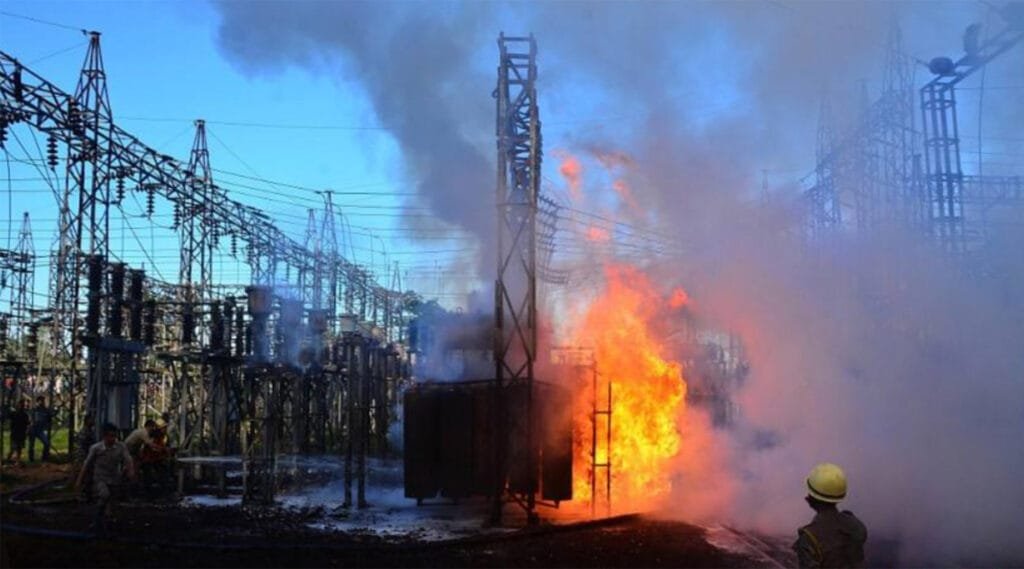
In case of transformer fire and explosion faults, standardized disposal procedures must be followed to avoid secondary accidents caused by improper operation. The general process ispower off isolation → personnel evacuation & alarm → risk warning → fault inspection & power resumption.
4.1 General Universal Disposal Steps
- Power Off Isolation: Manually disconnect high and low voltage switches if protection fails, stop cooling equipment, and switch load to standby transformer; forbid pulling isolating switch with load
- Evacuation & Alarm: Evacuate on-site personnel immediately, report to power dispatching personnel, and call the fire alarm if the fire spreads
- Risk Warning: Set up fire prohibition warning area to control on-site fire sources, and prioritize personnel evacuation in case of worsening risks
- Power Resumption Verification: Complete fire fighting and on-site evidence collection, conduct insulation detection and fault troubleshooting, and resume power supply only after reaching safety standards
4.2 Special Disposal for Oil-Filled Transformer Fire & Explosion
Core risks: Flammable gas accumulation, tank overpressure burst, flowing oil fire spread.
- Surface oil fire: Lower the accident oil level, use foam spraying and dry sand to put out ground flowing oil fire
- Internal fault fire (with pressure relief action and thick smoke): Forbid oil discharge operation, adopt remote spraying for temperature control to prevent explosion
- Fire extinguishing specification: Use dry powder, CO₂ and foam fire extinguishers; prohibit direct flushing of oil tank with cold water and live water spraying
4.3 Special Disposal for Dry-Type Transformer Fault Fire
Core risks: Insulation combustion, smoke pressure accumulation in cabinet, toxic flue gas leakage.
Cut off power supply and open ventilation ducts for pressure relief, check winding carbonization and damage; use dry powder or clean gas fire extinguishers, forbid direct water flushing of live windings; wear gas-proof protective equipment and continue ventilation and smoke exhaust.
4.4 Strict Disposal Taboos
- Oil-filled transformer: Forbid oil discharge during internal fire, avoid cold water shocking high-temperature tank causing burst
- Dry-type transformer: Forbid closing doors and windows to seal fire scene, prohibit live water flushing of windings
- Universal taboo: Do not approach for fire fighting without power off, do not force power resumption before fault elimination
5. Core Reason for Transformer Explosion: Inferior Products vs Precision Manufacturing
Industry accident traceability shows that more than 95% of transformer explosion faults are caused by cost-cutting inferior products, not standard qualified equipment. At present, many low-cost manufacturers reduce configuration, adopt unqualified materials and simplified processes to seize the market, resulting in insufficient insulation margin, poor heat dissipation and weak pressure resistance of transformers, which are prone to overheating breakdown and explosion during long-term operation.
5.1 Hidden Dangers of Low-Cost Inferior Transformers
- Cutting corners on iron core, winding and insulation layer with insufficient heat dissipation margin
- Simplified pressure relief structure and protection accessories, failing to release pressure and warn in fault state
- Low-grade insulation materials, easy aging and cracking under high temperature
- Excessive temperature rise under full load, easily triggering short circuit, fire and explosion faults
5.2 Zhongxin General Precision Manufacturing Transformer Advantages
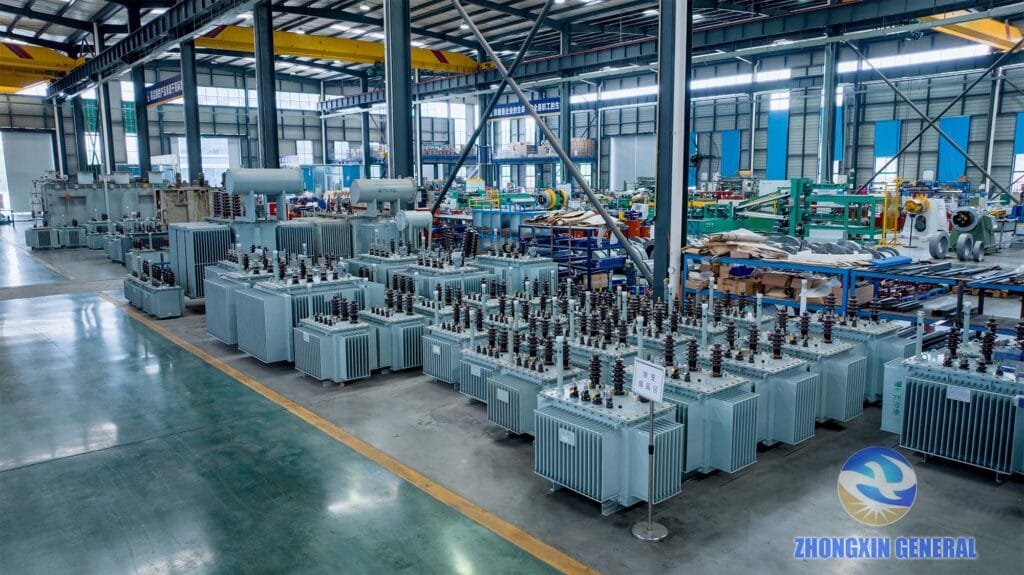
Zhongxin General adheres to strict production standards, abandoning low-cost shoddy processes. With a senior technical team with more than 40 years of industry experience, we strictly control material selection, vacuum impregnation, casting process and factory testing to eliminate inherent defects of equipment.
This core manufacturing philosophy has also been widely recognized and verified within the global power transformer industry. During a recent online industry communication, Kevin Z, Minister of the Foreign Trade Department at ZHONGXIN GENERAL, reached a unified consensus with Abhishek Gurung, person in charge of Nepal consulting firm SILT Consultants, when discussing the professional views of the person in charge of Neek Transformer (a former colleague of Abhishek Gurung). Both parties unanimously affirmed that transformers manufactured with traditional precision craftsmanship, sufficient raw materials, and standardized structural design deliver extremely high stability under long-term full-load operation, frequent high-load impact, and harsh working conditions. Such standard products feature superior explosion resistance, thermal stability, and breakdown resistance compared with low-cost reduced-configuration models, fundamentally eliminating potential explosion and fire hazards for power distribution projects.
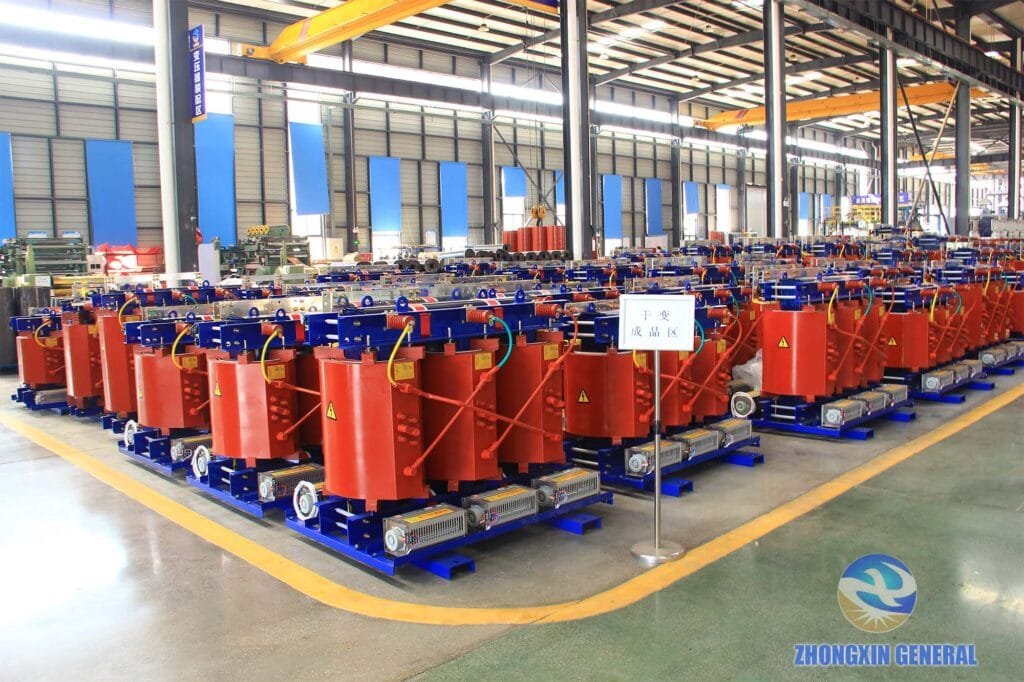
- Adopt national standard full copper winding and high-quality silicon steel sheet, thickened insulation configuration without reduction
- Mature manufacturing process with sufficient redundancy in pressure resistance, heat dissipation and insulation performance
- Stable temperature and pressure under long-term full load, no thermal runaway and gas accumulation hidden dangers
- Complete early warning and explosion-proof protection structure, suitable for high-safety scenarios such as basements and dense distribution rooms
6. Conclusion & Professional Custom Solution
The explosion risk of oil-filled and dry-type transformers is essentially different: oil-filled transformers belong to high-risk chain explosion equipment, suitable only for open outdoor sites with complete explosion-proof facilities; dry-type transformers have ultra-low explosion risk and high safety, which is the preferred choice for indoor, closed and personnel-intensive scenarios.
Transformer explosion accidents are completely preventable. Adhering to standardized equipment selection, daily inspection and maintenance, and standardized emergency disposal is the core guarantee for the safe and stable operation of power distribution systems. Choosing high-precision and standard transformers is the fundamental way to eliminate explosion hidden dangers.
If you need custom transformer explosion-proof selection scheme, oil-filled/dry-type transformer parameter comparison, factory power distribution hidden danger investigation and safety rectification scheme, please contact our senior engineers to obtain free professional customized solutions for your project reference.