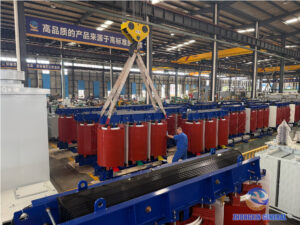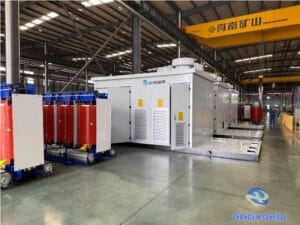
In the power grid hierarchy, the 220kV-to-500kV range sits in a pivotal spot. 500kV typically forms the backbone network of a provincial or regional grid, carrying electricity from major power plants over long distances and at high capacity. 220kV connects that backbone to local distribution systems, routing power further to urban load centers, industrial parks, and large renewable energy collection stations. Together, these two voltage classes underpin a grid’s core function of transmitting power efficiently and getting it where it needs to go.
Backed by decades of large-scale grid construction, China has developed a correspondingly mature transformer manufacturing industry at this voltage level — spanning state-owned pioneers that helped build the national grid back in the 1980s, foreign joint ventures that entered the Chinese market in the 1990s, and private manufacturers that have more recently broken into the segment through technical development or acquisition. That didn’t happen overnight, though: this capability is the product of decades of broader industry development.
Most buyers researching Chinese transformer suppliers start at the top of the voltage ladder — the handful of companies capable of building 500kV and UHV equipment. It’s worth noting, though, that virtually all of those same manufacturers also produce 220kV–500kV transformers. Rather than repeating the same list here, we refer you to our guide to China’s 500kV+ transformer manufacturers for the full details.
This post instead focuses on manufacturers whose main strength sits specifically in the 220kV–500kV range, and takes a different approach to covering them — rather than simply listing names, we first identified the leading 220kV–500kV transformer manufacturers through extensive search-engine research, then verified each one individually to confirm it maintains an English-language official website, and finally organized them by the year each first produced an oil-immersed 220kV main transformer, from Harbin Transformer’s first unit in 1984 to the newest entrants in 2023. Working through that timeline, you’ll get a clearer sense of how China’s 220kV oil-immersed main transformer industry has developed, and a rough read on how much technical depth each manufacturer has actually accumulated.
Below is a directory of the leading 220kV–500kV transformer manufacturers:
Company Directory
Pioneers of the 1980s and 1990s
Harbin Transformer (1984)
Harbin Transformer built China’s first 220kV-class unit in 1984 — an SFSZ7-31500/220 supplied to the Muling substation of the Mudanjiang power bureau. Since then it has shipped more than 300 units at this voltage class, making 220kV one of its longest-running and most established product lines.
Changchun Sanding Transformer (1989)
Formerly the Changchun Transformer Factory, this company was designated a national 220kV-class pilot production plant by China’s Ministry of Machinery in 1989. It has since specialized heavily in 220kV-and-below electric furnace transformers, and is now among the largest producers of that niche product worldwide.
Shandong Luneng Mount. Tai Electric Equipment (1992)
Luneng Taishan Electric was designated a national 220kV power transformer production base in 1992, well before the company’s formal 1999 founding as a standalone entity. It has consistently ranked among China’s top ten transformer manufacturers by volume, with strong 110kV and 220kV sales figures.
ABB (China) (1993)
ABB’s technical roots in 220kV transformers go back to 1942, when its predecessor ASEA built the world’s first 120MVA/220kV unit. That legacy arrived in China in 1993 through a joint venture with the Hefei transformer plant — Hefei ABB — which began domestic 220kV production shortly after.
Yunnan Transformer Electric (1996)
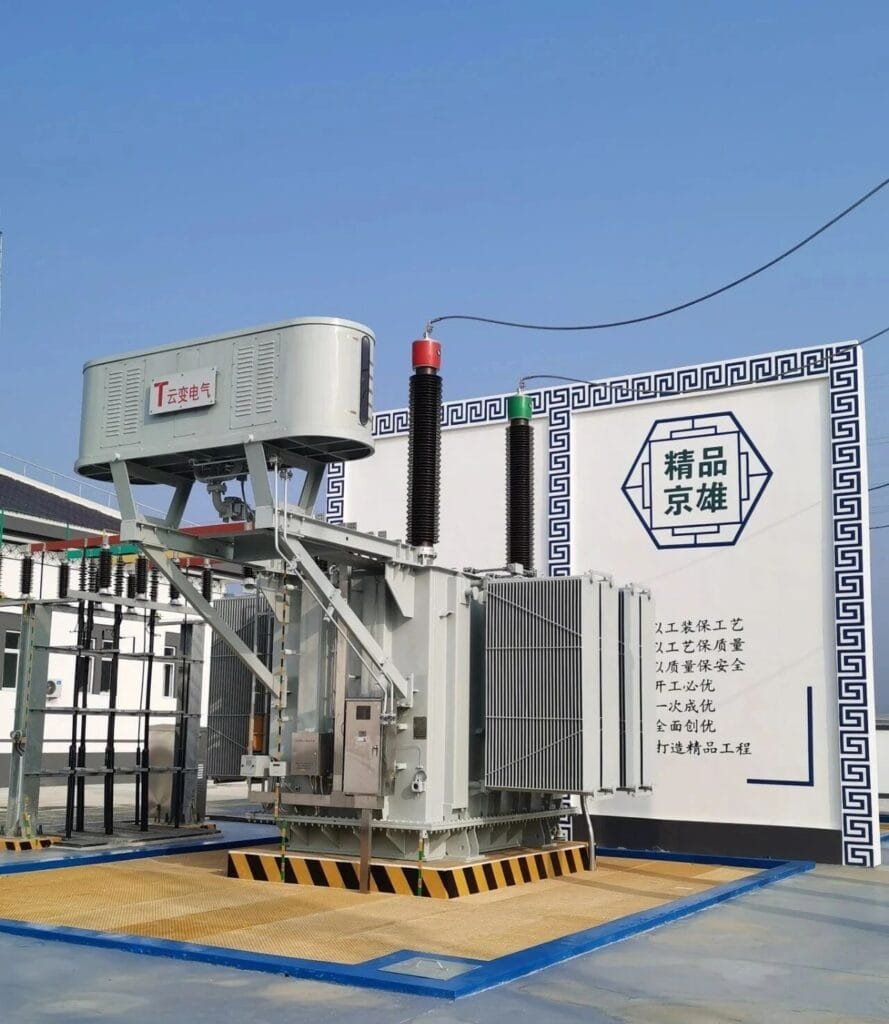
Yunbian developed China’s first 220kV high-altitude power transformer in 1996, a capability suited to Yunnan’s mountainous terrain. Its transformers remain in demand for plateau and high-elevation projects, and the company recently supplied a 220kV intelligent traction transformer that was successfully energized at the Xiong’an traction substation.
Hitachi Energy Chongqing Transformer (1998)
Established in 1998 as Hitachi Energy’s first joint venture in western China, this Chongqing-based plant inherited 220kV transformer technology directly from its parent company, giving it an unusually mature technical base from the outset.
Siemens Energy (China) (1999)
The Guangzhou plant that would become Siemens Energy China began production in September 1999, with 220kV oil-immersed AC power transformers among its first product lines — a capability that has remained core to its China operations since.
Hitachi Energy (China) (2000)
Hitachi Energy’s Zhongshan transformer plant produced its first 220kV unit in 2000 and secured the corresponding test certification the same year, formally entering the 220kV segment.
Expansion Through the 2000s
Guangxi Liuzhou Special Transformer (2002)
Liutebian’s design department began leading 220kV-and-below transformer, rectifier transformer, and electric furnace transformer development in 2002, successfully delivering several 220kV designs and establishing the company in the segment.
Chengdu Shuangxing (2003)
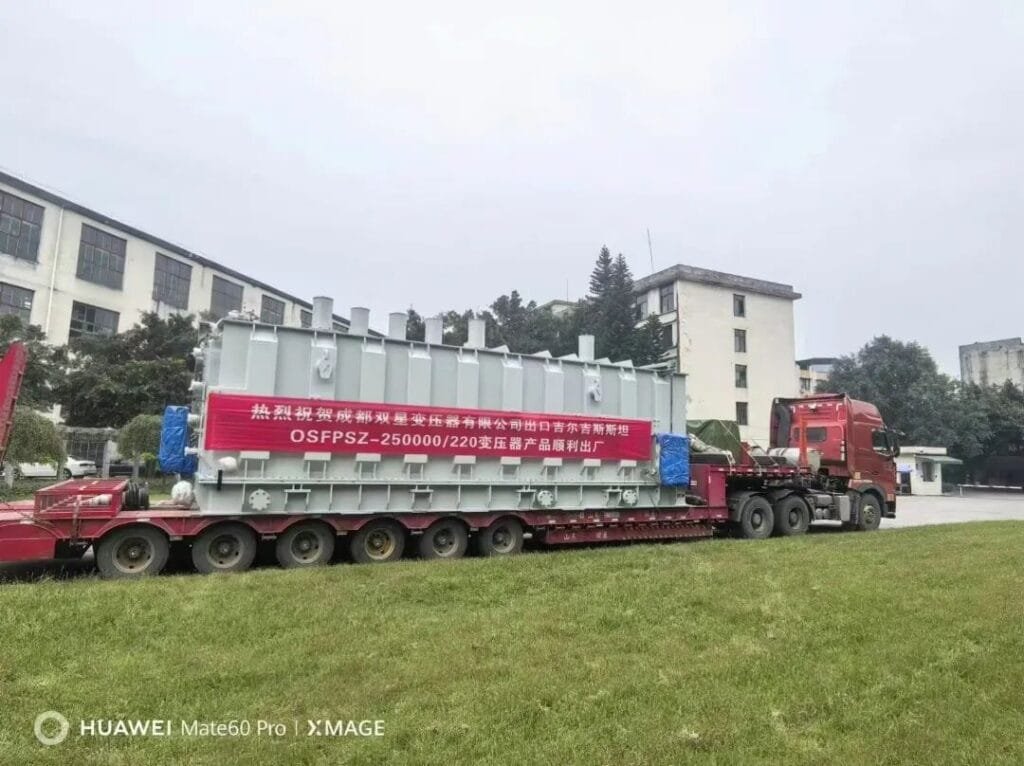
Chengdu Shuangxing Transformer was originally the state-owned Chengdu No. 2 Transformer Factory, founded in 1966. It was restructured into a limited liability company in 2003, and 220kV production qualification and capability came with that reorganization — the company has continued developing and manufacturing 220kV-class products ever since. Its transformers have reached export markets as far as Central Asia; a recent OSFPSZ-250000kVA/220kV autotransformer built for a Kyrgyzstan project passed all factory tests and shipped successfully.
Shandong Dachi Electric (2005)
Dachi began production of 220kV-class energy-saving transformers in 2005, alongside R&D and trial assembly of new 220kV product lines — a period that set the template for its later growth in medium- and high-voltage equipment.
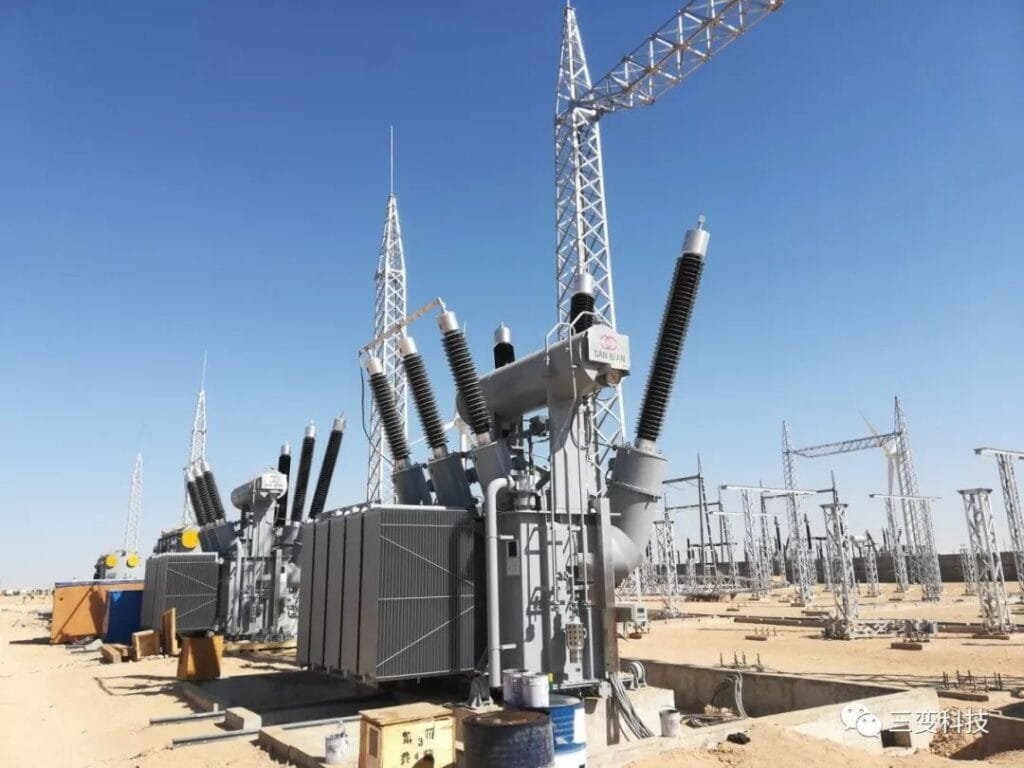
Sanbian Sci-Tech (2006)
Sanbian’s first self-developed 220kV power transformer entered service in 2006. The company has since built out a broader reactor and transformer export business; a recent batch of its BKS-20000/225 shunt reactors was shipped to Mauritania.
Jiangsu Huachen Transformer (2007)
Huachen was founded in 2007 with 220kV transformer R&D and production built into its business from day one, rather than added later — a relatively unusual path compared with most peers on this list.
Zhejiang Jiangshan Transformer (2008)
Jiangshan launched a technical upgrade program specifically targeting 220kV-class production in 2008, investing in new equipment and test facilities. The project was completed in 2010, when its first 220kV unit went into grid operation.
Qingdian Electric Group (2009)
Founded in 2009, Qingdian Electric was built around 220kV-and-below oil-immersed transformers, 35kV-and-below dry-type units, and prefabricated substations from the start, positioning it as a mid-market specialist rather than a UHV player.
The 2010s: A Broader Supplier Base
Nanjing Liye Power Transformer
Liye’s SFSZ11-180000/220 unit passed the full test program at the National Transformer Quality Supervision and Inspection Center, including a short-circuit test, formally establishing the company’s 220kV design and testing capability.
Wujiang Transformer (2011)
In May 2011, Wujiang’s SS11-240000/220 transformer became the first unit of its capacity class at the 220kV voltage level in China to pass a short-circuit test at the national center — at the time, a genuine technical milestone. The company has continued supplying large 220kV units since, including a series transformer for the Tianjin Shigezhuang 220kV substation.
Shaanxi Hanzhong Transformer (2012)
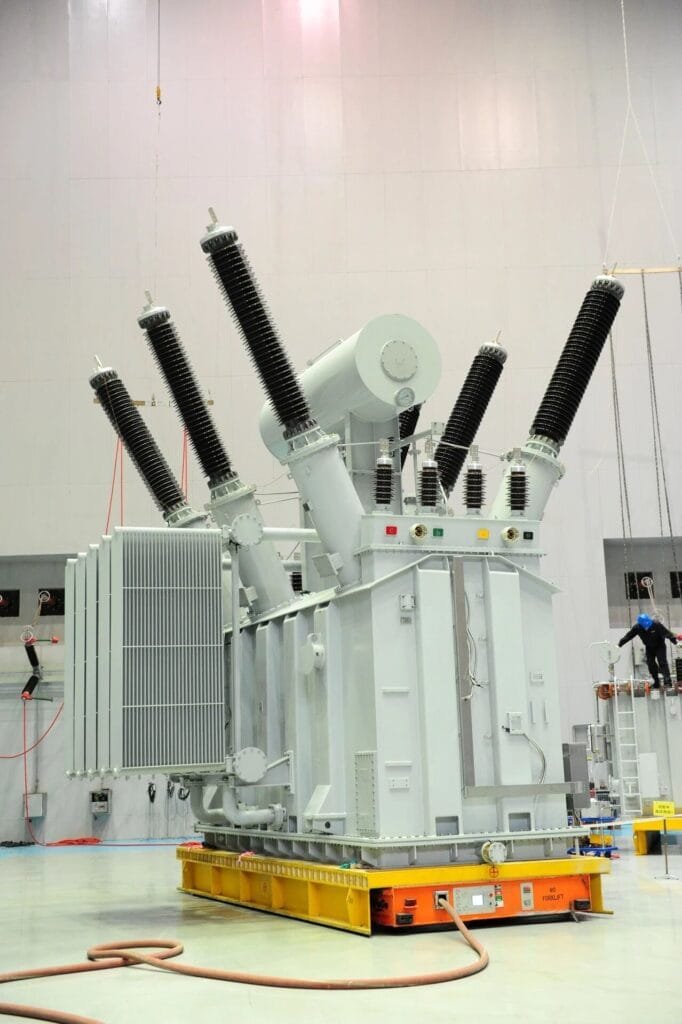
Facing rising demand for higher-voltage products, Hanzhong formed a dedicated technical team in 2012 to solve partial-discharge challenges above 110kV. That year its full 220kV-and-below product range passed national quality center testing and moved into commercial projects.
Liaoning Huaye Group (2013)
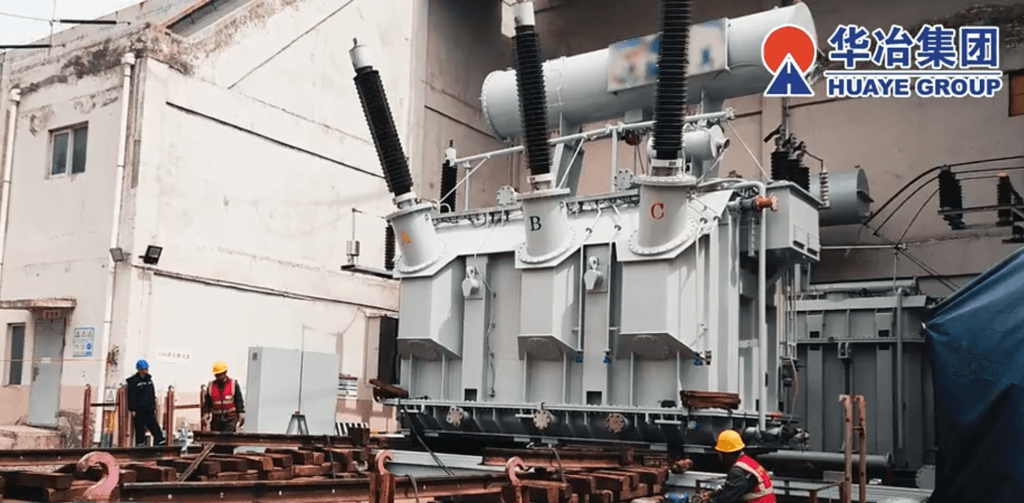
Huaye built out a 220kV switchgear and GIS production line at its economic development zone site, initially to support Belt and Road electrification projects in Africa; construction started around 2013 with the line becoming fully operational by roughly 2020.
Hangzhou Qiantang River Electric (2014)
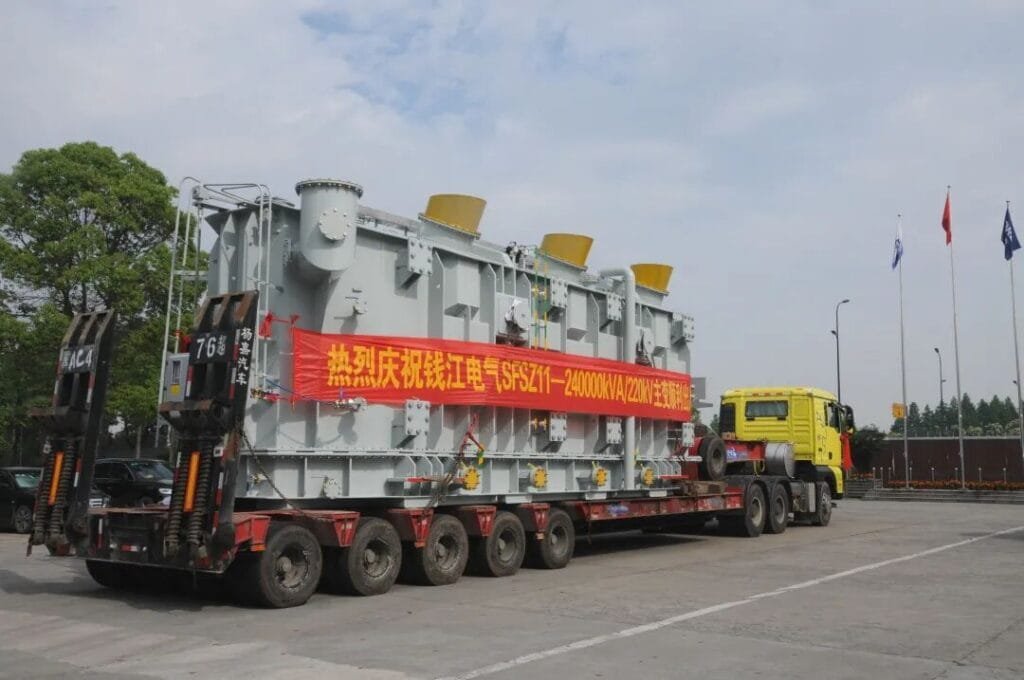
Qiantang River’s R&D center began market and technical research on 220kV transformers in 2012 and completed an initial design. By 2014, an expert panel confirmed the design kept noise below 70dB and signed off on the company’s 220kV three-phase intelligent combined transformer project — including, more recently, a self-developed SFSZ11-240000kVA/220kV main transformer that has since left the factory for delivery.
Zhejiang Baiyun Zhebian Electrical Equipment (2014)
Baiyun began developing 220kV transformer products in 2014, gradually moving them into grid-connected service over the following years.
XJ Electric (2016)
XJ began developing 220kV power transformers in 2014 and successfully completed the full test series in 2016 — a milestone the company describes as closing a longstanding gap in its own product range.
Recent Entrants (2018–Present)
Sieyuan Electric (2018)
Sieyuan acquired a stake in Changzhou Toshiba’s transformer business in 2018, renaming it Changzhou Sieyuan Toshiba Transformer. The deal gave Sieyuan direct access to Toshiba-derived transformer technology and, with it, the ability to build 220kV-and-below power transformers.
CEEG (2020)
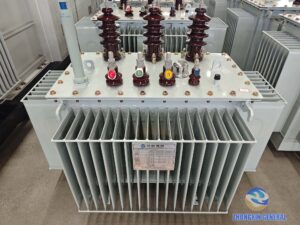
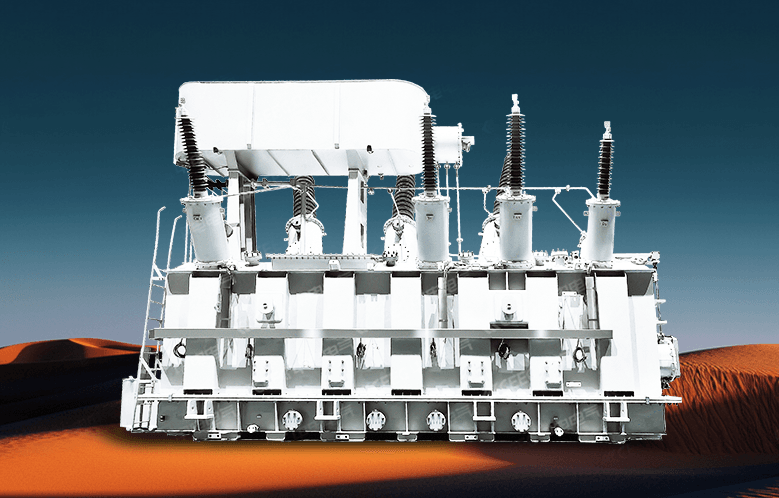
CEEG’s 220kV transformer production base came online at the end of 2020, and its mid-to-high-voltage division completed the full development and manufacturing cycle for a 220kV transformer — passing every factory test on the first attempt — in roughly ten months, versus an industry average of two to three years. The company now designs and builds both 220kV power transformers and traction transformers; one of its 220kV oil-immersed units illustrates the class of product involved.
Wangbian Electric (2023)
Wangbian acquired a 79.97% stake in Yunnan Transformer Electric (Yunbian) in 2023, instantly folding in Yunbian’s 220kV capability — dating back to the 1990s — and strengthening its own position in that segment through the acquisition rather than ground-up development.
MingYang Electric (2023)
MingYang extended its product line from low- and medium-voltage equipment into the high-voltage range in 2023, bringing 110kV and 220kV main transformers, along with 110kV and 252kV GIS switchgear, into small-batch production for the first time. Today the company’s oil-immersed and dry-type transformer range tops out at 220kV, serving onshore and offshore renewables, grid, rail transit, and data-center customers.
What can we learn from this?
Market growth follows grid demand.The market grew in step with the grid, not ahead of it. Harbin’s first 220kV unit (1984) coincided with post-reform grid expansion. The 2000s wave of entrants matched double-digit power demand growth. The newest names (CEEG, Wangbian, MingYang) emerged in the 2020s, driven by renewables integration and industrial electrification. Manufacturing capability never led; it followed, batch by batch.
Consolidation now outpaces new entry.Acquisitions are reshaping the industry more than new builds. Wangbian acquired Yunbian; Sieyuan absorbed Changzhou Toshiba’s transformer unit; Changzhou Dongzhi was folded into Shandong Electric Power Group. Organic R&D built the market in earlier decades, but today M&A is the main reshaping force. That is a normal sign of a maturing industry.
State and private forces have alternated leadership.Early players (Harbin, Changchun Sanding, Luneng Taishan) were state‑designated national bases. The 2000s entrants (Sanbian, Jiangsu Huachen, Qingdian) were commercial decisions chasing regional demand. The center of gravity has shifted from planned capacity to market‑driven choices, mirroring the broader liberalisation of China’s power‑equipment sector.
Entry date is not a proxy for capability.A firm that entered in 2023 via acquisition may be more capable today than an 1980s veteran that never scaled beyond regional demand. Better metrics: sustained volume production, independent test certifications, and international project experience. Read this way, the growth pattern maps where real production depth actually sits today.