Every transformer core begins as a coil of grain-oriented electrical steel (GOES) — and where that coil comes from shapes everything downstream: lead time, cost, loss performance, and how well a finished transformer meets a buyer’s local efficiency standard. In our companion piece on China’s silicon steel mills, we mapped the country that now produces the largest share of the world’s GOES. Here, we go the other direction: the producers outside China that still anchor global supply for the highest-end grades, and the regional gaps that keep import dependence alive in North America, South Asia, and beyond.
This isn’t a ranking. It’s a working reference for anyone specifying, sourcing, or simply trying to understand why a “35kV oil-immersed transformer” quoted from two different factories can perform — and cost — so differently depending on the steel inside it.
1. Nippon Steel (Japan)
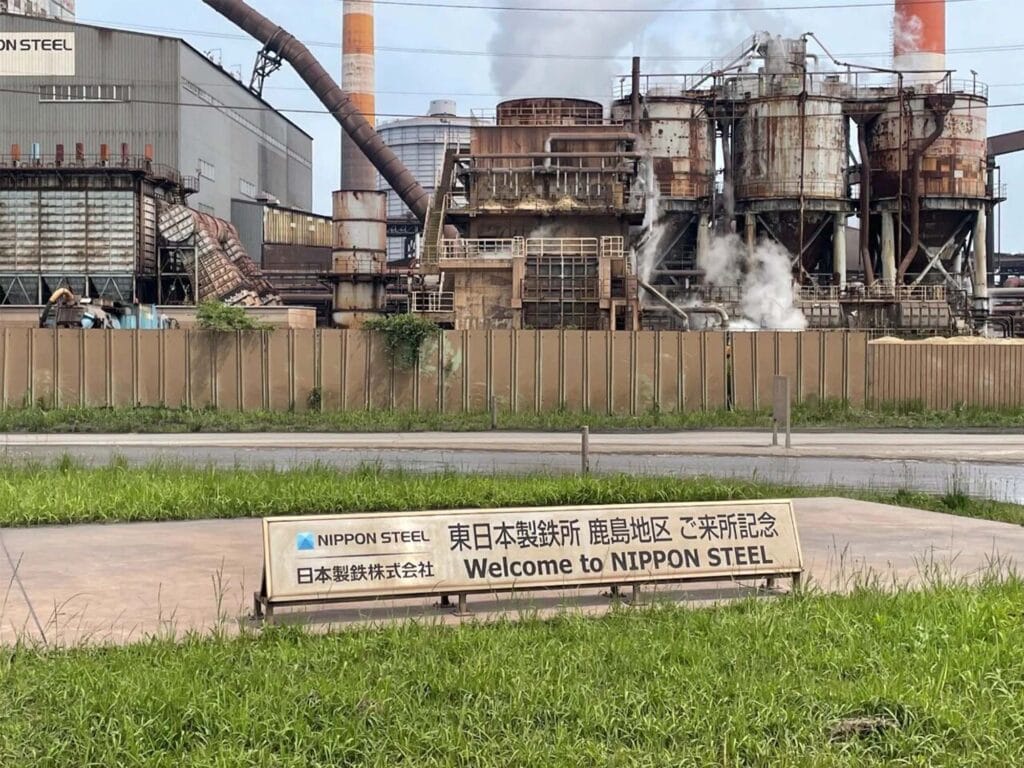
Nippon Steel holds the original patent lineage behind Hi-B (high magnetic induction) grain-oriented silicon steel and remains the global technology benchmark for ultra-thin, ultra-low-loss grades — down to 0.18–0.20mm, with laser domain-refinement for further loss reduction. Its integrated production runs across two home bases: the Setouchi works in the Hirohata area and the Kyushu works in the Yawata area, with an effective capacity of roughly 240,000 tonnes. Nippon Steel’s output goes into the world’s highest-stakes projects — North American and European UHV transformer programs, Japan and Korea’s domestic grids, and long-term supply agreements with tier-one electrical equipment makers such as ABB and Siemens.
2. POSCO (South Korea)
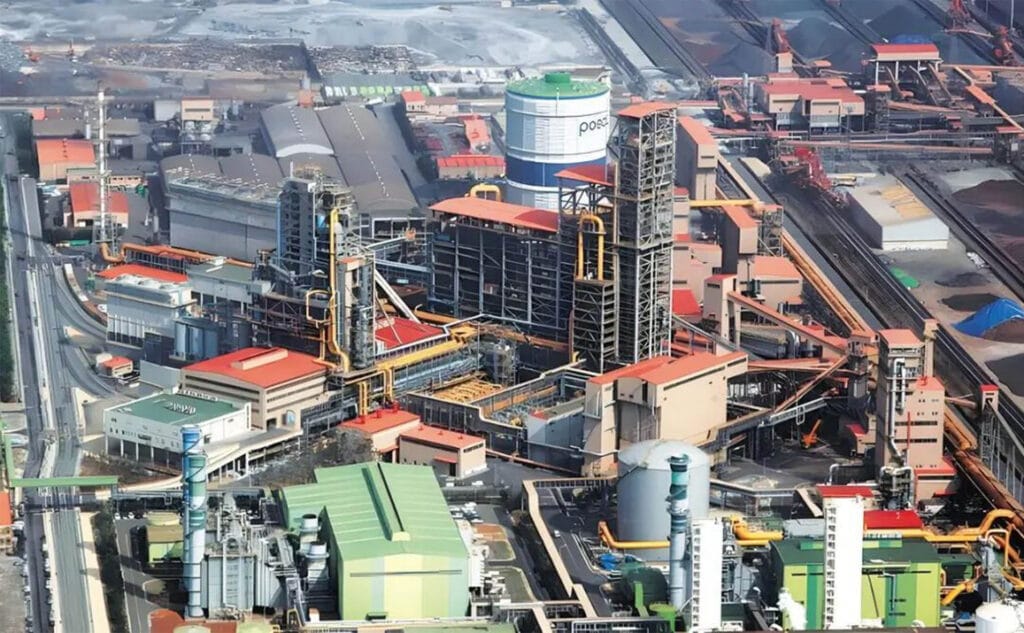
POSCO absorbed and adapted Japanese-origin GOES process technology decades ago and now runs stable, full-range production of both conventional CGO and Hi-B grades from its Pohang complex, with an effective capacity around 200,000 tonnes. Korea’s strength here is less about pushing the absolute technology ceiling and more about consistency and integration with its own export-oriented heavy electrical industry — Pohang-made steel travels alongside Korean-built transformers and switchgear into Southeast Asia, the Middle East, and the Americas.
3. JFE Steel (Japan / India)
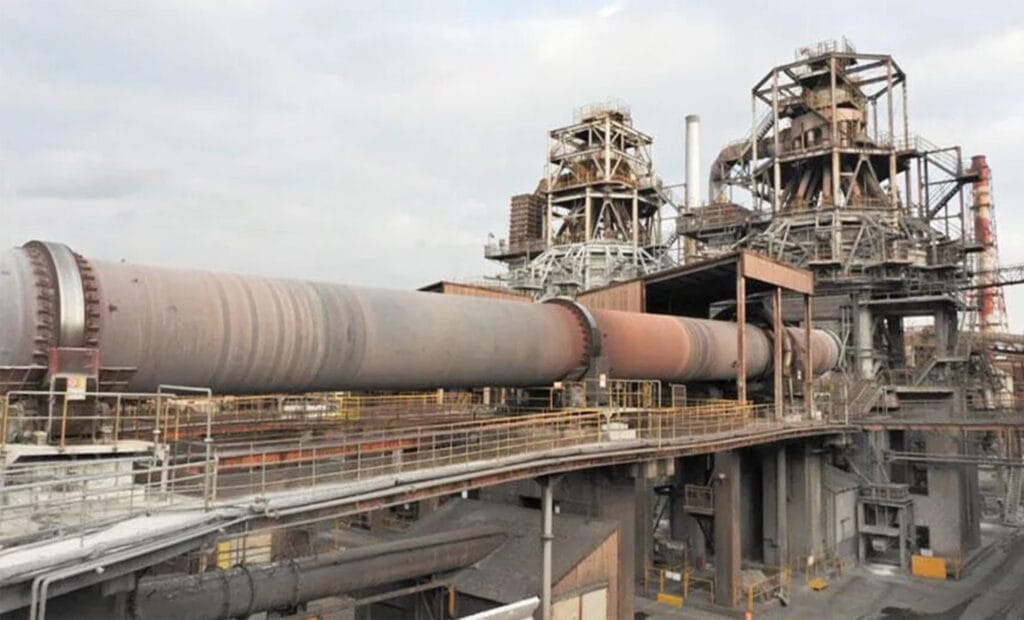
Japan’s second-largest GOES producer differentiates on specialty domain-refined grades and, notably, is the only major Japanese producer with a live overseas manufacturing footprint. Domestic capacity runs from the Fukuyama and Kurashiki works (~160,000 tonnes), with an additional ~50,000 tonnes already online in India through its joint venture — bringing current global effective capacity to roughly 210,000 tonnes, before India’s expansion (detailed below) adds meaningfully more by 2027–2030.
4. Thyssenkrupp (Germany)
Thyssenkrupp is the rare thing left in Europe: a genuinely integrated GOES producer, running from its Gelsenkirchen (Germany) and Isbergues (France) sites with an effective capacity near 150,000 tonnes. Its focus product is EU-compliant, chromium-free coated grain-oriented steel, built specifically to satisfy European environmental rules and to serve the continent’s wind power and low-carbon grid upgrade programs. Almost all of its volume stays inside the EU and Nordic markets, with only a small export tail into the Middle East.
5. NLMK (Russia)
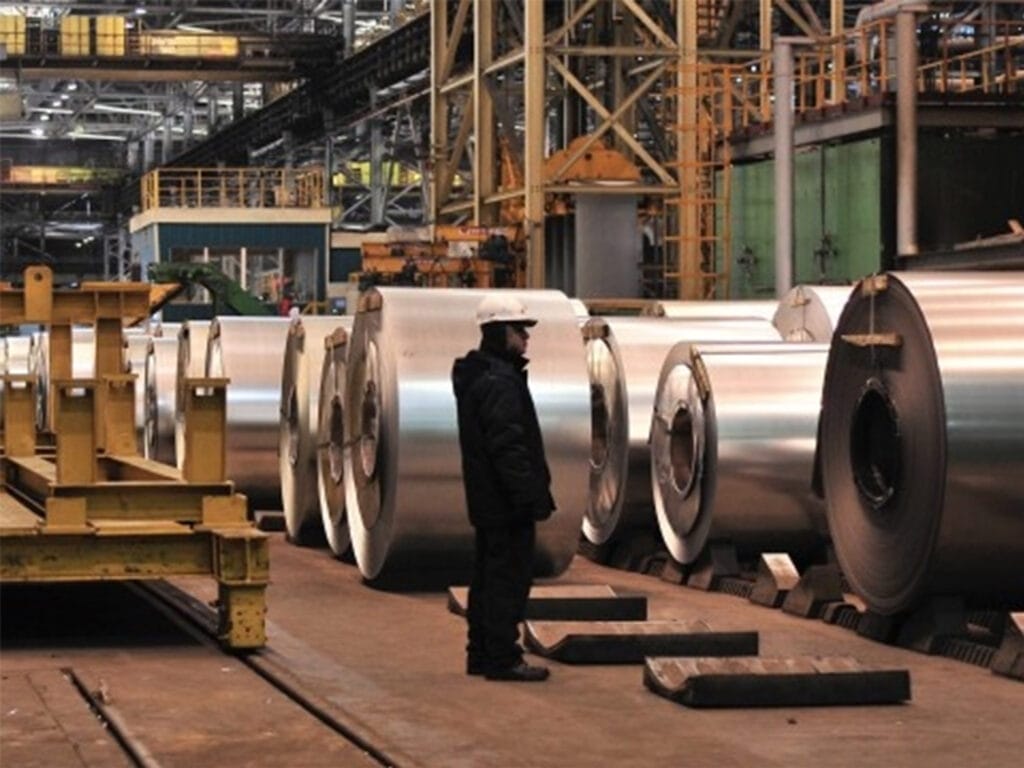
NLMK is the only large-scale, fully integrated grain-oriented silicon steel producer serving the CIS region, running out of its Lipetsk works in Russia with an effective capacity of roughly 240,000 tonnes. Its product mix leans toward general-purpose CGO and mid-tier Hi-B rather than the ultra-low-loss end of the market, which suits its core customer base: Russia’s own transmission and distribution grid, plus Kazakhstan, Belarus, and a small tail of Eastern European transformer manufacturers.
6. Cleveland-Cliffs (United States)
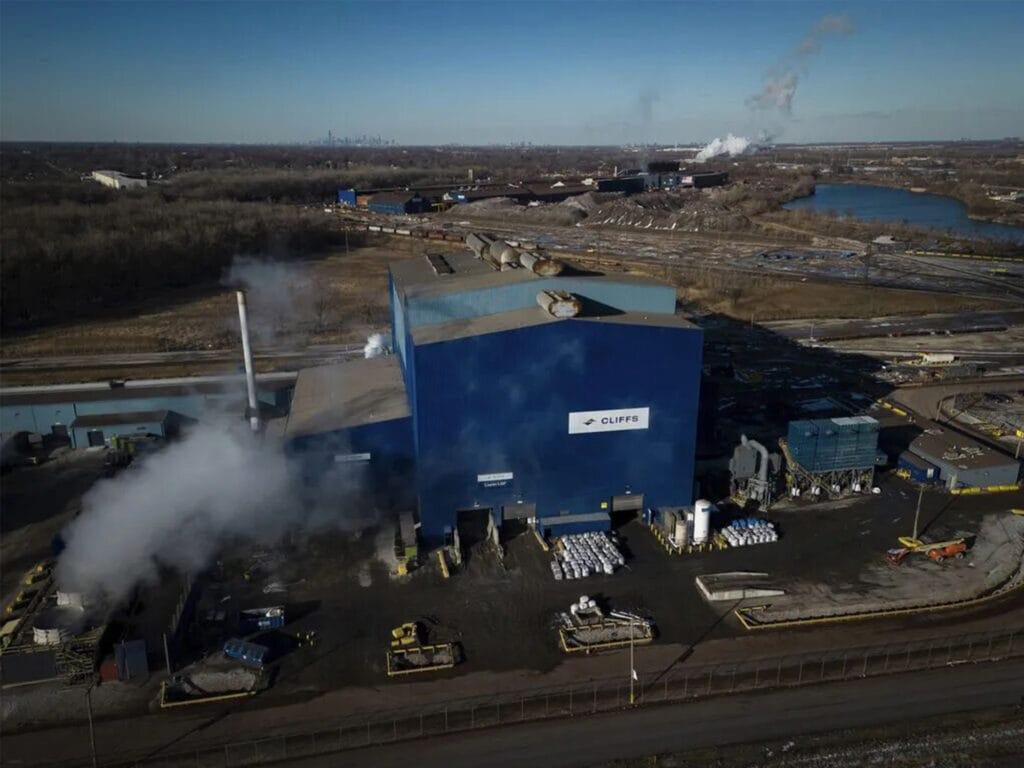
North America’s self-sufficiency gap starts here. Cleveland-Cliffs (the former AK Steel) runs the only wide-strip integrated GOES line on the continent, based in Ohio, with an effective capacity of about 200,000 tonnes. That capacity is calibrated to conventional grades for residential and light commercial distribution transformers — it does not currently cover the region’s need for higher-grade steel used in large power transformers, which is why the U.S. and Canadian market continues to lean on Japanese, Korean, and increasingly Chinese imports for anything beyond standard distribution-class equipment.
7. J2ES Vijayanagar — JSW + JFE Joint Venture (India)
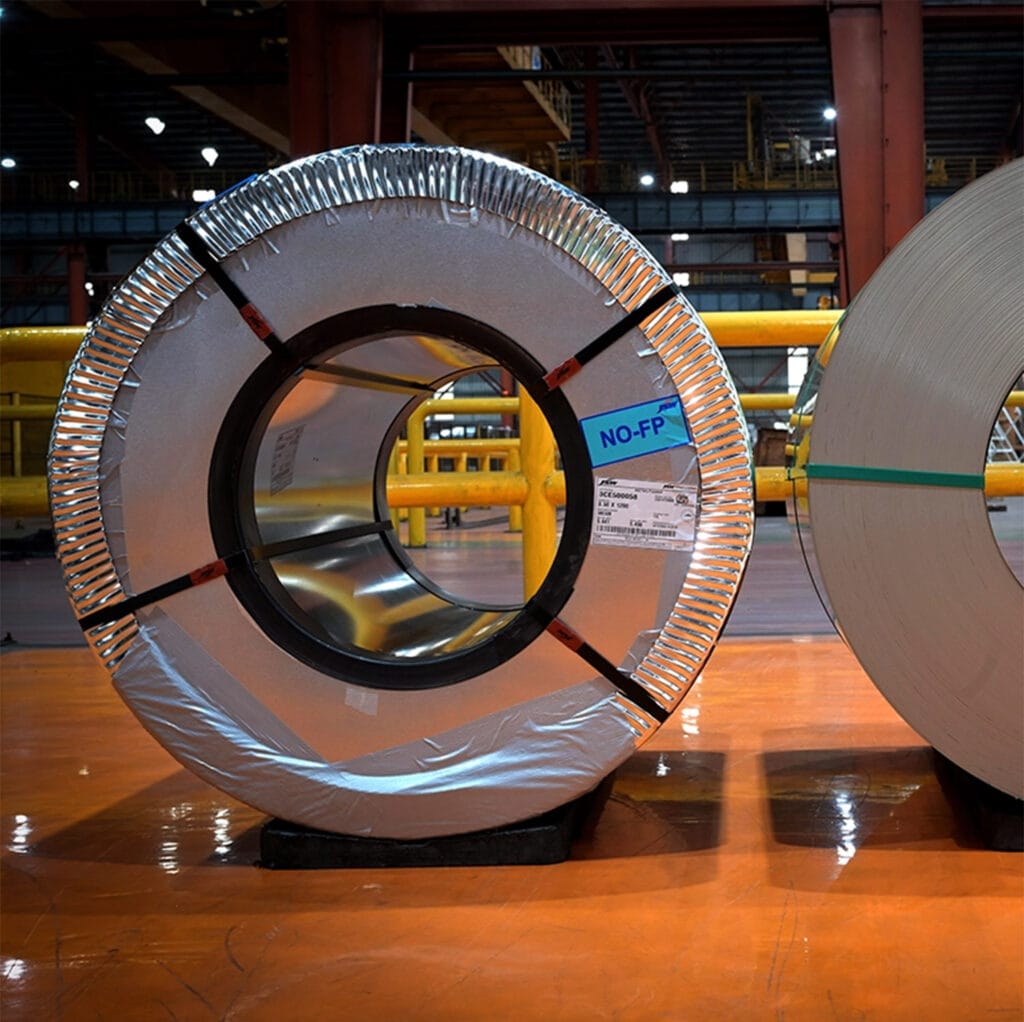
India is the one market on this list with a genuine growth story. J2ES — a 50:50 joint venture between JSW and JFE — is currently the only entity in India capable of producing high-permeability grain-oriented silicon steel domestically, combining JFE’s Hi-B process technology with JSW’s steelmaking and cold-rolling infrastructure. Effective capacity is roughly 50,000 tonnes as of 2025, running out of the Nashik (Maharashtra) and Vijayanagar (Karnataka) sites, with a planned ramp to 150,000 tonnes by 2027 and a full-scale target of 350,000 tonnes by 2030. Until that ramp completes, India’s own grid expansion and renewable-energy buildout still pull heavily on Japanese and Korean imports — but J2ES represents the only structural import-substitution story in the entire GOES landscape outside China.
8. Stalprodukt (Poland)
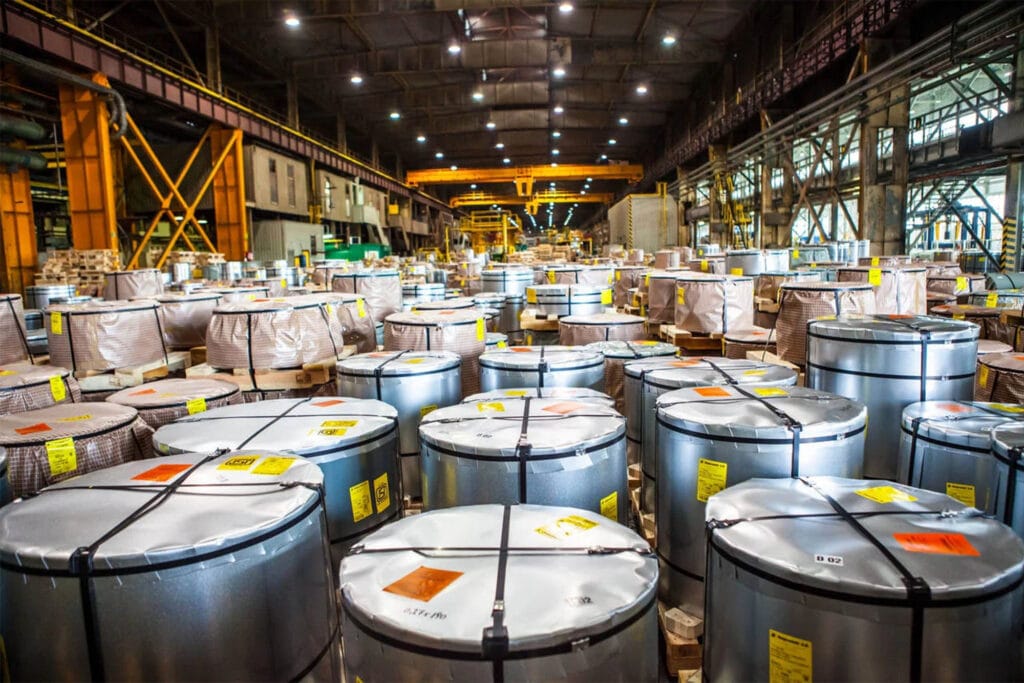
Stalprodukt is Europe’s largest privately owned specialist GOES processor, based in Bochnia, Poland, with an effective capacity of around 100,000 tonnes. Rather than competing on technology, it competes on regional logistics and price — supplying economy-grade CGO and standard Hi-B to distribution transformer manufacturers across Poland, the Czech Republic, Romania, and Hungary, with a small tail of exports to smaller Western European equipment makers.
The Regional Picture, In Short
Put the eight together and a clear map emerges:
- Japan and Korea hold some of the deepest process technology and the most stable capacity in this list, with no major expansions currently reported — capacity that appears well matched to existing demand. They remain a go-to source for ultra-high-voltage and ultra-low-loss projects worldwide.
- Europe looks like a “high-end but shrinking” story: Thyssenkrupp appears to be the last fully integrated line still running, under pressure from energy costs and import competition, while Poland’s Stalprodukt covers mainly the economy end. No new integrated European capacity has been announced.
- North America carries a real self-sufficiency gap: Cleveland-Cliffs covers conventional grades only, with no expansion currently planned, leaving large power transformer and UHV projects reliant on Asian imports for the foreseeable future.
- South Asia, Southeast Asia, and South America are largely supply-blank regions with little or no history of integrated GOES production — India, through J2ES, stands out as the clearest exception, with a multi-year capacity build-out underway; in most other markets across these regions, local capability appears limited to downstream slitting and cutting rather than primary steelmaking.
(Capacity figures above reflect commonly cited industry estimates and can shift with plant ramp-up schedules and reporting periods; they’re intended for sourcing and market-orientation reference rather than as audited, formal figures. Company order reflects narrative flow only, not a ranking of scale or standing.)ted, formal figures. Company order reflects narrative flow only, not a ranking of scale or standing.)
Where Grain-Oriented Silicon Steel Comes From, Outside China
Taken together, these eight producers give a rough picture of where grain-oriented silicon steel comes from outside China today — some concentrated in long-established steelmaking regions like Japan, Korea, and Germany, others, like India, still building toward a larger domestic role. If you’re sourcing transformers and want to talk through which steel grade or origin fits a specific project, get in touch with our team.