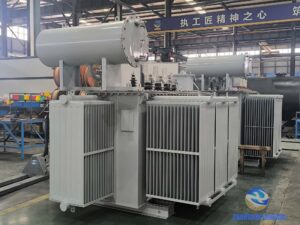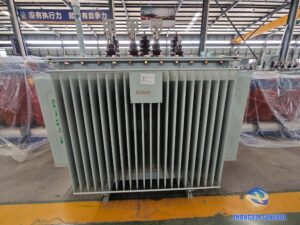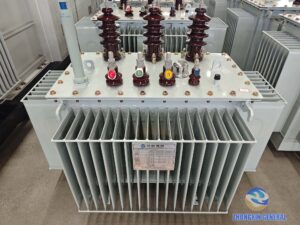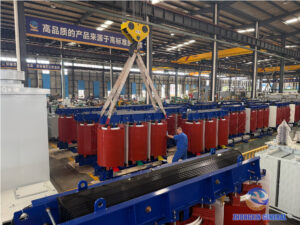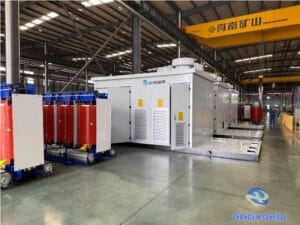
To eliminate frequent transformer failures after energization such as oil leakage, overheating, insulation breakdown, abnormal noise and unexpected tripping, this article sorts out standardized full-process pre-commissioning standards for dry type transformers and oil immersed transformers. The full practical checklist covers pre-document audit, appearance inspection, installation verification, electrical tests, auxiliary system acceptance and no-load / on-load trial operation. All listed items are mandatory before power-on, with full coverage to cut hidden failures at the source.
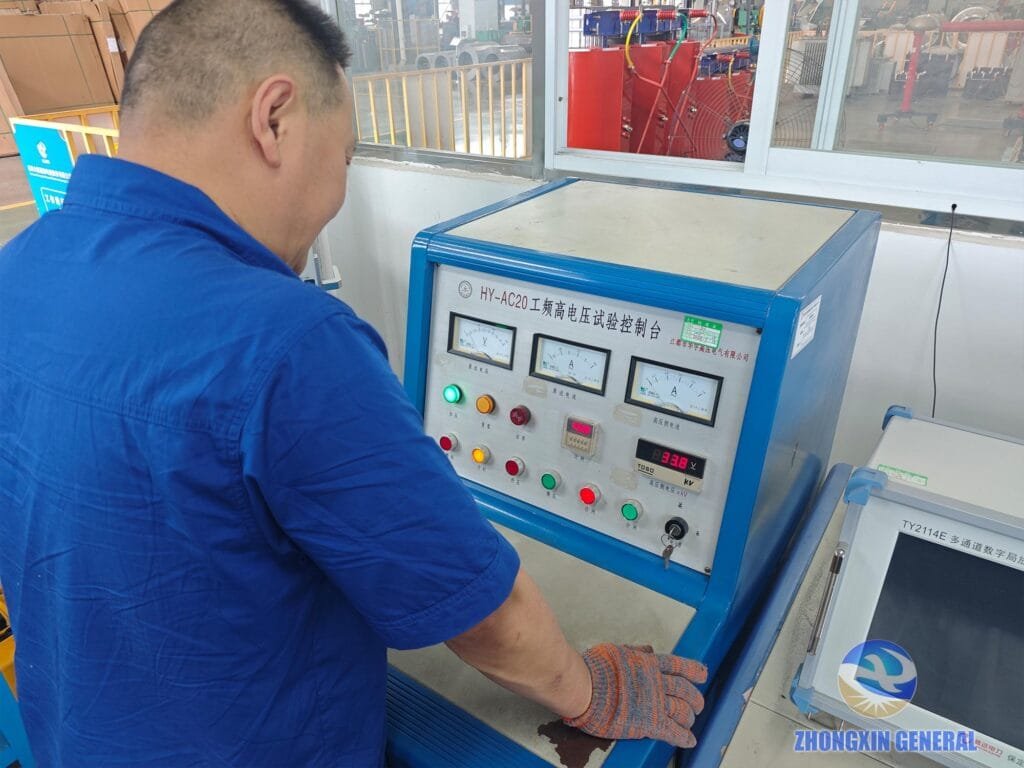
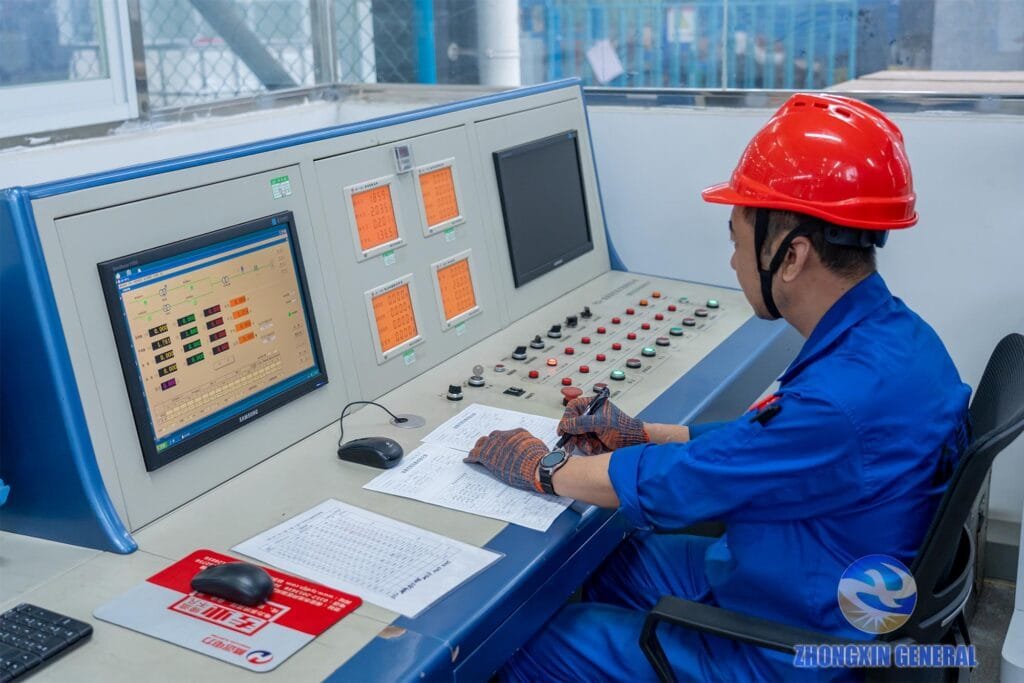
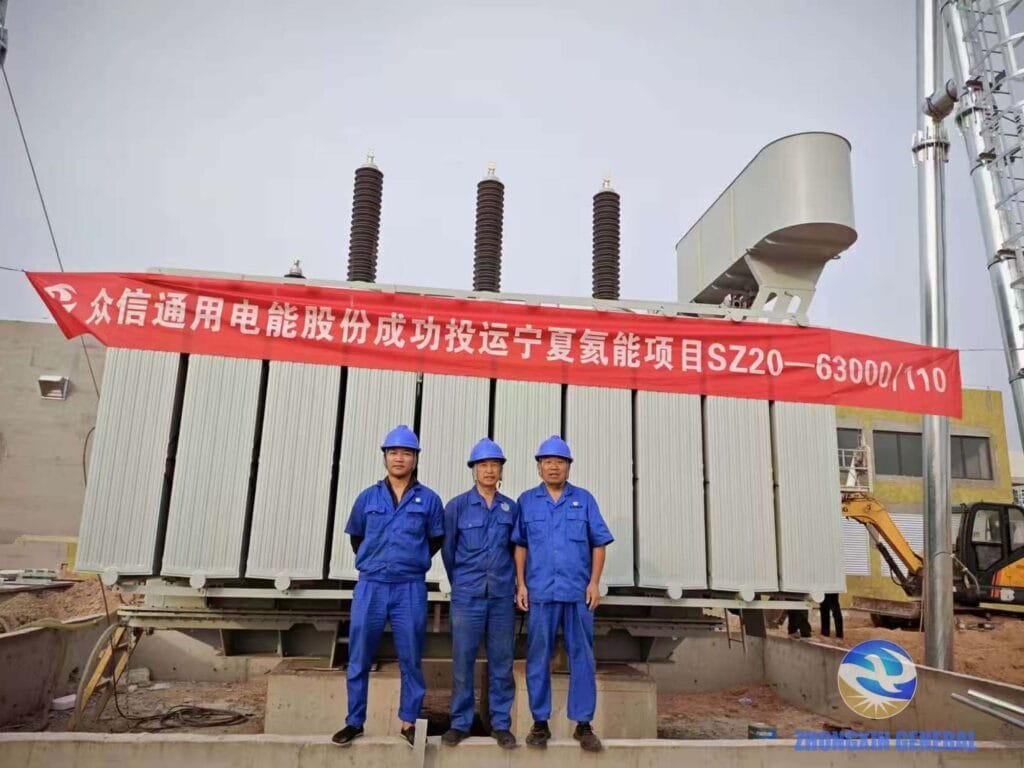
Attached on-site and factory test photos display real inspection & test scenarios for reference, while all acceptance standards comply with international power equipment specifications and EU energy efficiency regulations referenced in our technical documents. Once successfully commissioned, consistent routine maintenance is essential to preserve long equipment service life — read our guide on 7 practical maintenance tips for dry-type and oil-immersed transformers.
1. General Pre-Commission Items (Applicable to Both Dry & Oil-Immersed Transformers)
1.1 Documentation & Data Acceptance (Mandatory Pre-Operation Check)
- Factory complete documents: Certificate of conformity, full set of factory test reports, type test certificates, nameplate parameter list and raw material inspection reports must be intact and valid. All technical indicators shall fully match design drawings and bidding technical requirements without modification or expiration.
- Historical test records: Original data of previous handover and preventive tests must be complete. All test instruments used shall be calibrated and within valid calibration periods for full traceability.
- Drawing & operation manuals: Primary wiring diagram, secondary control schematic, foundation drawing, grounding layout and operation maintenance manuals must be consistent with on-site actual equipment.
1.2 Foundation & Installation Environment Inspection
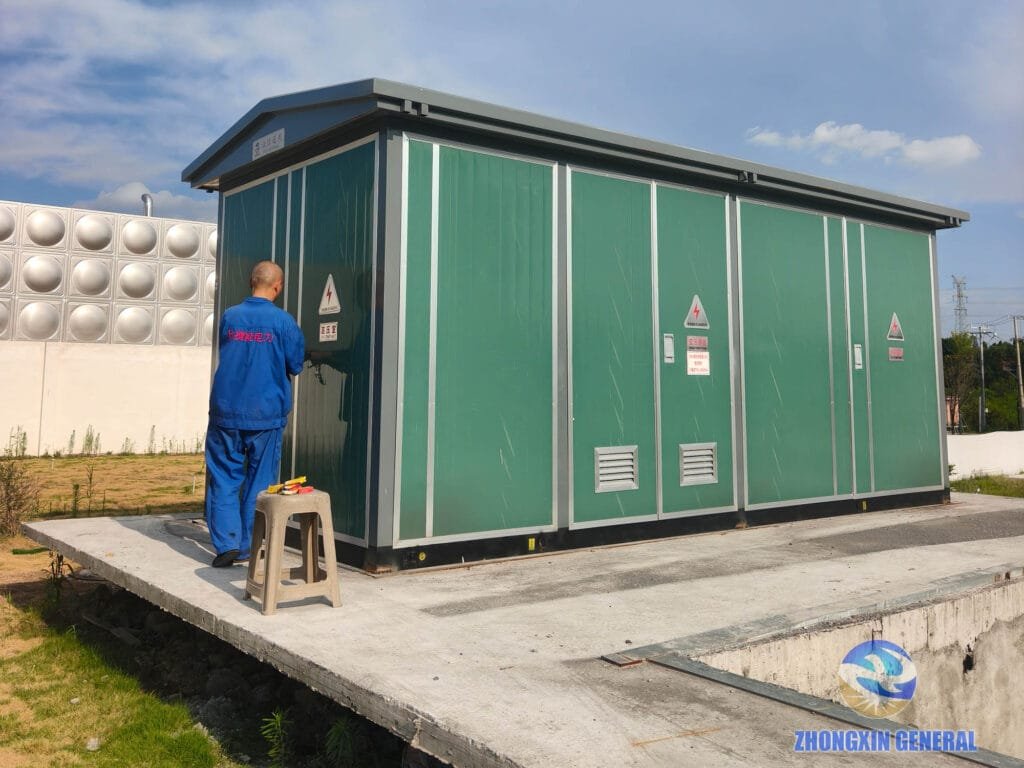
- Concrete foundation must reach design strength without cracking, hollowing or settlement. Embedded anchor bolts meet specification on size, spacing and depth with intact threads free of rust & deformation.
- Transformer positioning vertical & horizontal offset shall stay within tolerance range; equipment fixed firmly without shaking. Shock absorption components (if equipped) installed evenly under uniform force.
- Installation space must stay clean, dry and free of dust, flammable or corrosive gas. Ventilation passages unblocked with sufficient clearance for heat dissipation and maintenance safety distance.
- Complete, clear permanent marking labels: device ID, phase sequence, safety warning signs and grounding marks, firmly attached without easy peeling.
1.3 Wiring & Grounding System Acceptance
- High / low voltage cables and busbars maintain correct phase sequence; terminals tightly crimped with smooth contact surfaces, no oxidation, burn marks or scratch. Bolt torque strictly follow industry standards.
- Cable layout neat with compliant bending radius, no stretch, squeeze or insulation cracking. Cable sealing parts well waterproof & dustproof.
- Main grounding wire and equipment earthing lead adopt specified cross-section material; welding/connection solid with qualified grounding resistance. Series grounding and virtual connection are forbidden.
- Complete multi-point earthing including neutral point, tank/core/frame shielding with clear grounding labels without missing or misconnection.
2. Exclusive Visual & Structural Checklist for Oil-Immersed Transformers
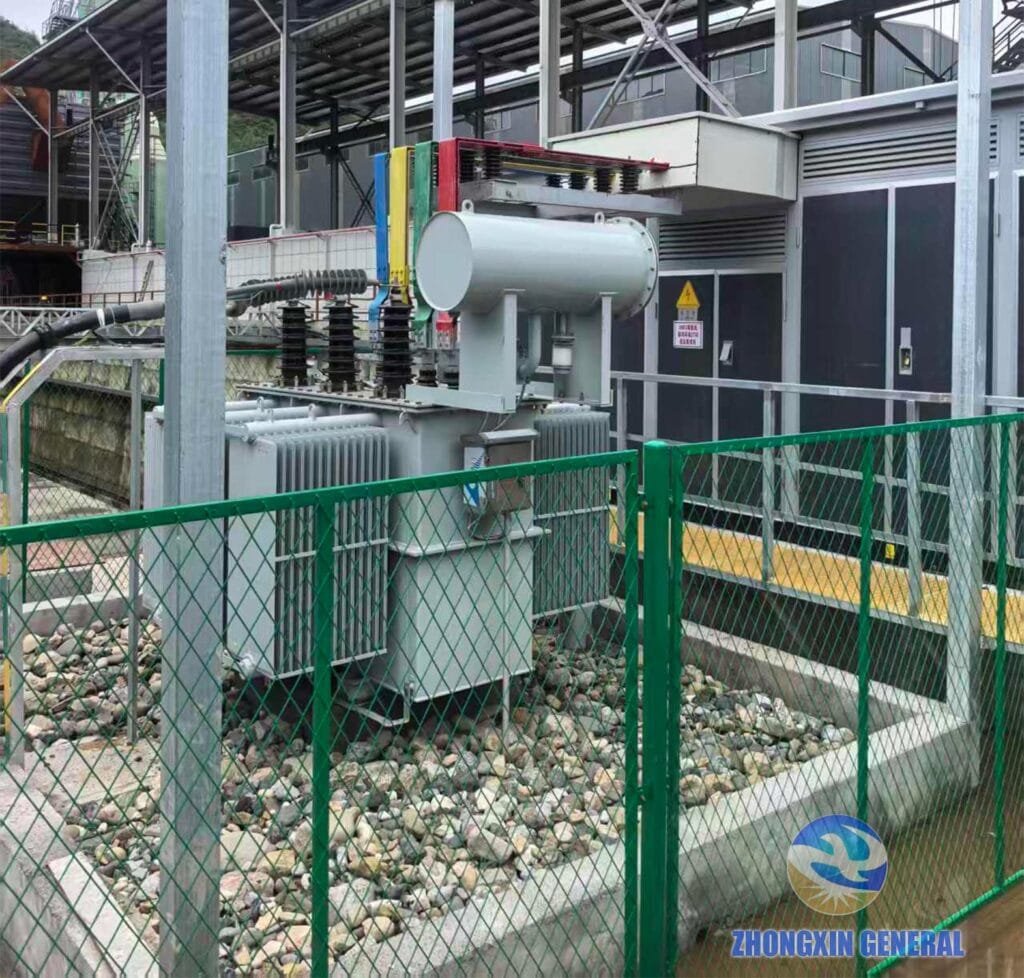
2.1 Core Tank & Bushing Appearance Inspection (Stop Oil Leakage Risks)
- Uniform complete tank welds without sand holes, cracks or deformation; no oil seepage, dripping or hanging oil across whole body. Surface paint intact without large-area rust or peeling.
- High & low voltage porcelain bushings crack-free, clean without creepage dirt, flange seal tight to avoid oil penetration.
- Oil level gauge clear with accurate scale; liquid level matches corresponding ambient temperature without false, over-high or over-low oil level.
- On-load / off-circuit tap changer intact with clear gear indicator, flexible operation without jamming and reliable locking structure.
2.2 Auxiliary Components Special Inspection
- Radiators: Cooling fins undamaged & unclogged, all inlet/outlet valves fully open, surface free of dust blockage.
- Conservator: Internal rubber capsule intact without aging, breathing channel unobstructed, fully sealed against air/oil leakage.
- Dehydrating breather: Desiccant retains original blue color without moisture or powder breakage; glass tank and sealing gaskets complete.
- Buchholz relay: Level installation, tight wiring seal, reliable alarm/trip action without sticking.
- Pressure relief valve: Intact indicator, calibrated within validity period, no oil leakage or stuck condition.
- Oil & winding temperature gauges: Firmly mounted with close sensor fit, remote temperature signal transmits normally.
2.3 Transformer Oil Acceptance (Critical Fault Prevention Point)
- Transformer oil brand matches equipment requirement, transparent without turbidity, sediment or free water.
- Oil lab test pass criteria: breakdown voltage, water content, dielectric loss, acid value and flash point all meet standard limits with official oil test certificate.
- Vacuum oil filling implemented as standard, sufficient standing time to eliminate internal air bubbles that cause insulation degradation.
3. Exclusive Visual & Structural Checklist for Dry Cast Resin Transformers
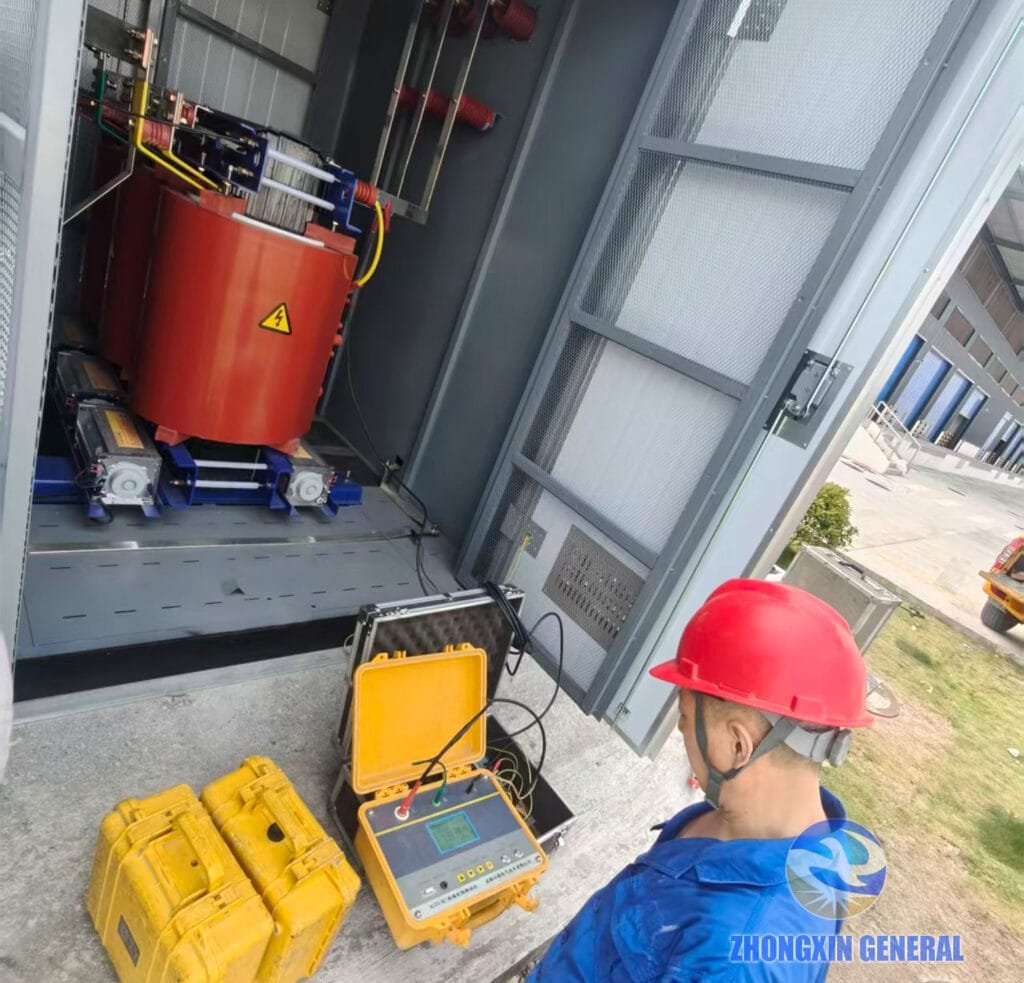
3.1 Winding & Core Inspection (Avoid Overheating & Insulation Failure)
- Epoxy resin casting layer smooth and intact without cracks, bubbles, pinholes, dust or oil contamination on winding surface.
- Inter-phase & inter-layer insulation spacing compliant; insulation supports fixed without loose or missing parts.
- Silicon steel core lamination tight without warping or rust; single-point earthing only to eliminate multi-ground hidden danger.
- Winding leads neatly arranged without tension, twist or insulation damage; terminal welding/crimp free of cold solder & oxidation.
3.2 Cooling & Protection Accessories Inspection
- Cooling fans securely mounted with undamaged blades, smooth rotation without abnormal vibration or noise in manual & automatic mode.
- Temperature controller & probes tightly attached; over-temperature alarm and trip function fully tested with accurate signal feedback.
- Metal safety guard intact with standard gap to prevent small animals and foreign objects entering equipment cavity.
- All support insulators crack-free, dry and clean without surface creepage contamination.
4 Mandatory General Electrical Tests for All Transformers
4.1 Insulation Resistance Test
- Test items: HV to ground, LV to ground, HV to LV; record 15s & 60s resistance values to calculate absorption ratio.
- Pass standard: Resistance no lower than factory & national standards, absorption ratio ≥1.3, no sudden insulation drop caused by dampness or damage.
- Operation rule: Fully discharge before and after testing to avoid residual charge error or safety hazard; record ambient humidity & temperature.
4.2 DC Winding Resistance Test
Test each phase winding separately. Phase/line resistance deviation must stay within standard range and match factory data, ruling out inter-turn short circuit or loose terminals. Test only after equipment temperature stabilizes to eliminate temperature interference.
4.3 Transformation Ratio Test
Test every tap position including rated gear; ratio error within allowable limit consistent with nameplate. Prevent voltage imbalance and uneven load after energization.
4.4 AC Power Frequency Withstand Voltage Test
Apply standard high voltage for specified duration, monitor whole process for breakdown, flashover, noise or overheating to detect weak insulation points.
4.5 No-Load & Load Loss Test
Measure no-load current, no-load loss, load loss and impedance voltage, compare with factory reports to eliminate excessive core/winding loss and long-term overheating risk.
4.6 Vector Group & Phase Sequence Test
Verify vector group matches design and nameplate to avoid grid parallel trip or equipment damage from reversed phases.
5 Special Test Items for Oil-Immersed Transformers
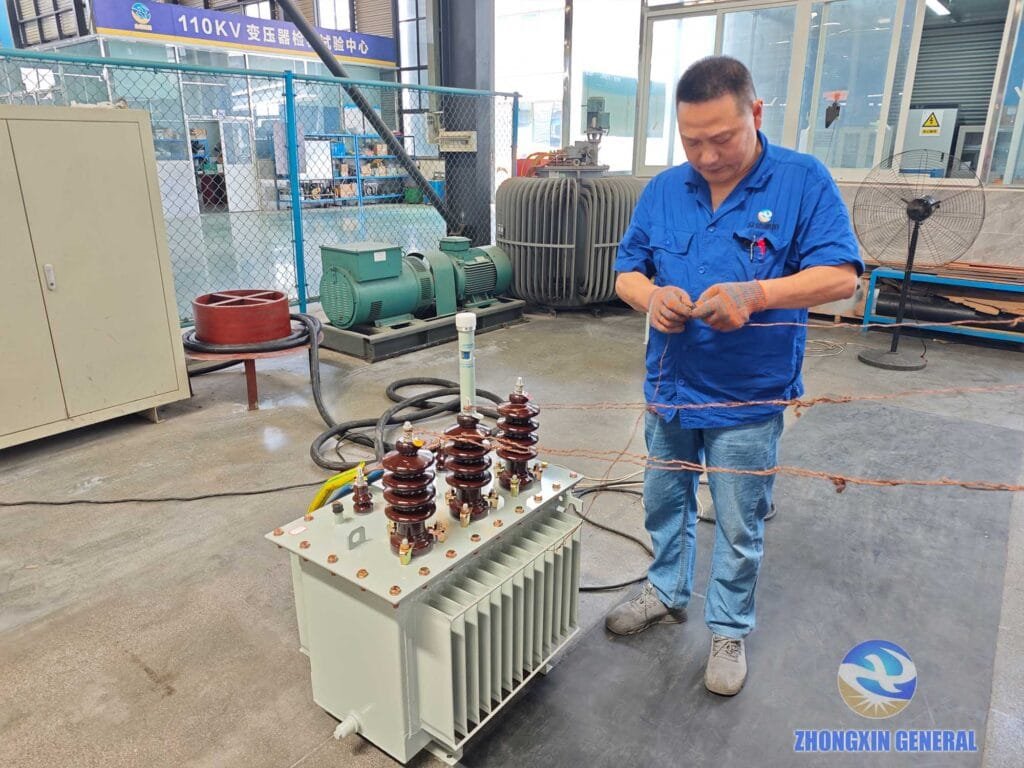
- Dissolved Gas Analysis (DGA): Mandatory before commissioning. No acetylene, excessive hydrogen or hydrocarbon gas to detect latent internal faults such as core overheating and partial discharge.
- Oil dielectric loss & micro-water content lab test.
- Buchholz relay functional test for reliable light gas alarm & heavy gas trip.
- Tank integral tightness test to find invisible oil leakage points.
6 Special Test Items for Dry Transformers
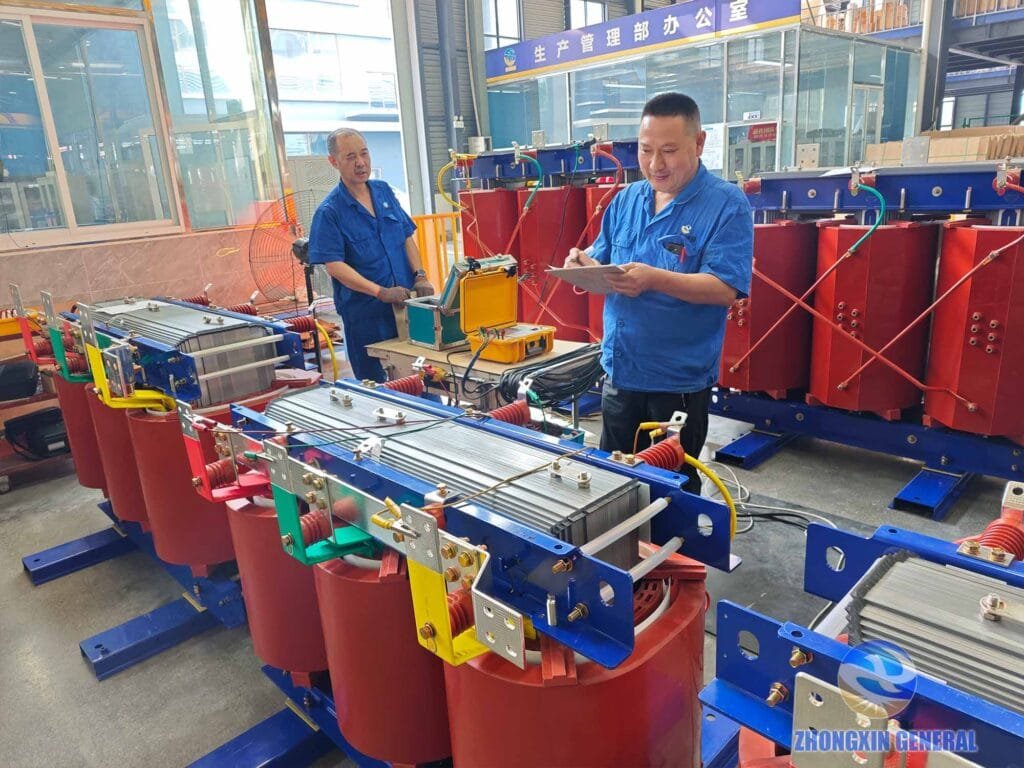
- Partial Discharge Test: Discharge volume comply with factory & international standards to avoid long-term insulation breakdown.
- Temperature control & fan linkage simulation test to confirm overheat alarm/trip interlock logic. 3 Secondary insulation surface recheck to remove dust & moisture before energization.
7 No-Load & On-Load Trial Operation Acceptance
7.1 24-Hour No-Load Trial Run
- Perform 5 full voltage impact closing operations from HV side; neutral grounding compulsory during impact. First energization lasts at least 10 minutes. No false tripping from inrush current, no abnormal sound, vibration, smoke or leakage during each impact.
- Three-phase voltage balanced without fluctuation drift.
- Winding & oil temperature rise gently without sharp overheating.
- All secondary protection & monitoring signals work normally without false alarms.
7.2 Gradual On-Load Trial Operation
Step up load gradually; keep three-phase current balanced without partial overload. Use infrared thermal scan to check all bus terminals and cable lugs for abnormal hot spots. Cooling and protection linkage act accurately under variable load.
Note: DC resistance, transformation ratio, insulation, vector group, relay test, impact closing and trial operation are all on-site handover tests. Load loss, temperature rise type tests are finished in factory and provided via official factory reports; high-power on-site re-test available per client contract requirement. Oil DGA & micro-water tests need field oil sampling plus third lab analysis.
8 Core Hidden Fault Prevention Summary
- 1. Key risks for oil immersed transformers: Oil leakage, unqualified transformer oil, failed buchholz relay, bushing flashover, abnormal oil level, damp core, poor sealing.
- 2. Key risks for dry transformers: Cracked dusty winding insulation, excessive partial discharge, failed temperature/fan system, loose hot terminals, insufficient inter-phase clearance.
- All test data must be measured on-site and archived for cross-check against factory reports. Skip no inspection or test items to eliminate post-commission trip, overheat, winding burnout and long shutdown failures.
- Visual audit, craft inspection, electrical testing and trial operation are four inseparable links to pass full acceptance before formal operation.
- Catastrophic hazards including fire and explosion stem from these unaddressed hidden defects. Learn more in our dedicated guide covering transformer explosion risks, warning signs and emergency response for oil-filled and dry-type units.
All oil-immersed and dry-type transformers manufactured by ZHONGXIN GENERAL fully comply with the above strict acceptance standards covering raw material selection, intelligent manufacturing and complete factory inspection. We own abundant real project cases covering new energy power stations, mining facilities, hospitals and urban grid projects. You can visit our transformer project case studies page to check delivered equipment including large-capacity 110kV hydrogen energy transformers and indoor dry distribution transformers.
We adopt high-grade grain-oriented silicon steel, T2 pure copper winding and imported insulating raw materials to eliminate inherent defects such as core rust and winding overheating. For dry-type transformers, we introduce full-set German vacuum casting production lines; oil-immersed transformers are manufactured with automatic vacuum oil injection equipment, which drastically reduces oil leakage and partial discharge failures. Our factory testing standards are stricter than international specifications: oil transformers are subject to extended sealing aging tests and multi-stage dissolved gas tracking inspection; every dry transformer undergoes complete partial discharge and temperature control linkage test. All original test records are fully archived for full traceability.
Most small-scale manufacturers cut corners on raw materials and simplify factory testing, leading to frequent oil seepage, insulation aging and protection malfunctions after commissioning. ZHONGXIN GENERAL transformers eliminate all hidden faults before delivery, supporting one-pass full acceptance and long-term stable operation with lower energy loss & maintenance costs. If you need customized transformers or professional pre-commission inspection technical support, contact our engineering team via email: info@zxtransformer.com or WhatsApp +86 1354008981.
FAQ – Frequently Asked Transformer Commissioning Questions
Q1: Can I skip partial discharge test for dry transformers on-site?
A: Not recommended. Partial discharge is the core hidden insulation hazard that will worsen under long-term load. It is a mandatory item for handover acceptance to avoid mid-term winding breakdown shutdown.
Q2: Is DGA test necessary for brand-new oil transformers?
A: Yes. Even new transformers may contain residual air or internal tiny metal burrs generating gas, DGA detects latent faults invisible to naked eyes.
Q3: How long should the no-load trial run last before putting load on?
A Standard requirement is 24 hours continuous no-load operation with 5 impact closing tests completed before gradual load increase.
Q4: What’s the main difference between dry and oil transformer acceptance focus?
Oil transformers mainly focus on oil quality and sealing leakage; dry transformers center on winding insulation, partial discharge and cooling temperature control systems.