Intro
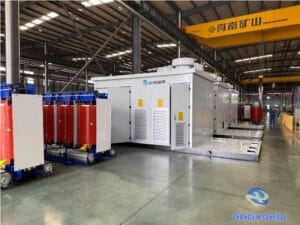
Industrial transformers act as core power distribution equipment across photovoltaic power stations, industrial mines, commercial complexes and new energy charging stations. They carry high procurement costs; unexpected failures lead to production shutdowns, power outages and massive economic losses.
Most transformers fail to reach their designed service life due to irregular, non-standard daily maintenance plans. Dry-type and oil-immersed transformers differ fundamentally in internal structure, cooling systems and insulation media. Generic maintenance solutions cannot fit both equipment types and will accelerate insulation aging while creating hidden safety hazards.
We have sorted out 7 highly implementable maintenance specifications with exclusive operating guidelines for dry and oil-immersed transformers respectively, plus early fault signals if maintenance is neglected.
If your transformer already shows abnormal noise, persistent overheating, oil spray or smoke, cut off power and arrange overhaul immediately. For full risk analysis of transformer fire and explosion hazards, you can read our in-depth article: Transformer Explosion Risks: Dry vs Oil-Immersed Root Causes & Prevention Solutions. A comparison table of daily maintenance focuses is attached at the end. Feel free to contact our professional engineers for customized long-life transformer solutions matching your working conditions.
Strictly Control Operating Load to Avoid Long-Term Overheating
Long-term overload continuously raises winding temperature, embrittles insulation materials and ranks as the top factor shortening transformer service life. This rule applies to both dry and oil-immersed transformers.
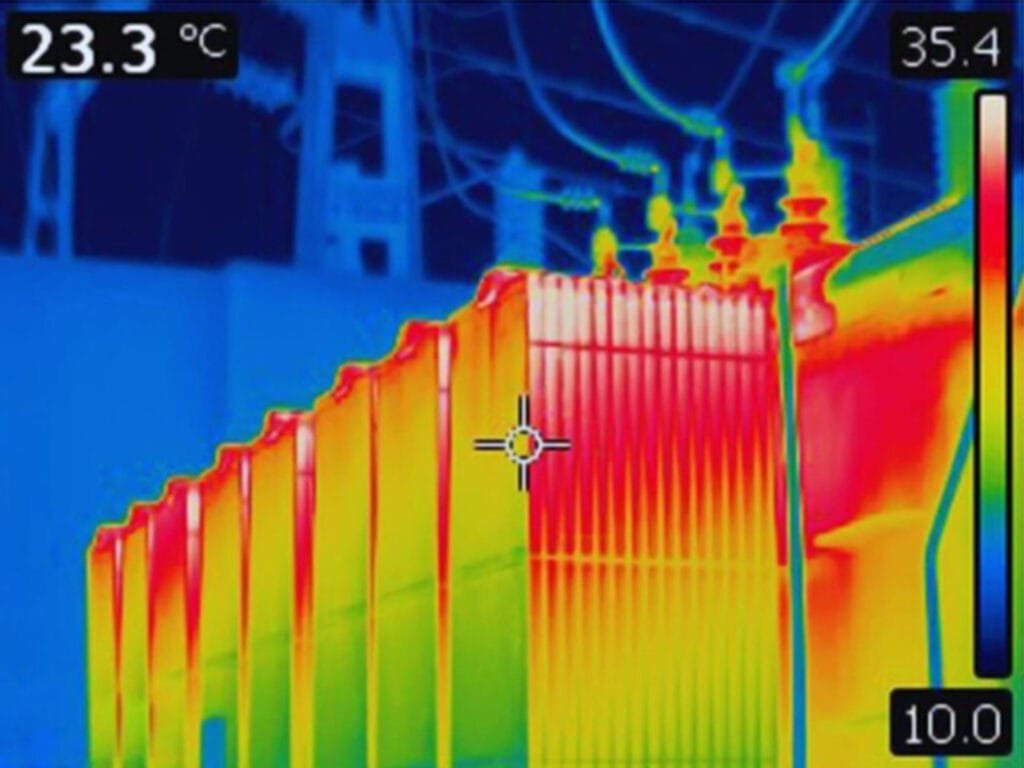
Dry-Type Transformer Maintenance Rules
Reserve 20% load margin during daily operation. During summer peak power demand and factory production rushes, stagger production to reduce load and prevent softening, cracking of epoxy resin shells under sustained high temperature.
Oil-Immersed Transformer Maintenance Rules
Monitor top oil temperature in real time. Never run above rated capacity for extended periods. Record overload duration and load value for any short-term overload to avoid repeated impact on insulation structure.
Early Fault Signs of Neglected Maintenance
- Dry type: Continuous high temperature alarm of winding thermostat, irregular sharp fluctuation of operating current
- Oil immersed: Unprovoked steady oil temperature rise, frequent Buchholz relay alarms
Tip 2: Constantly Monitor Ambient Temperature & Humidity of Installation Site
High temperature, high humidity, dust and corrosive air erode internal insulation components, triggering surface creepage and winding short circuits. Environment control is a low-cost way to prolong transformer lifespan.
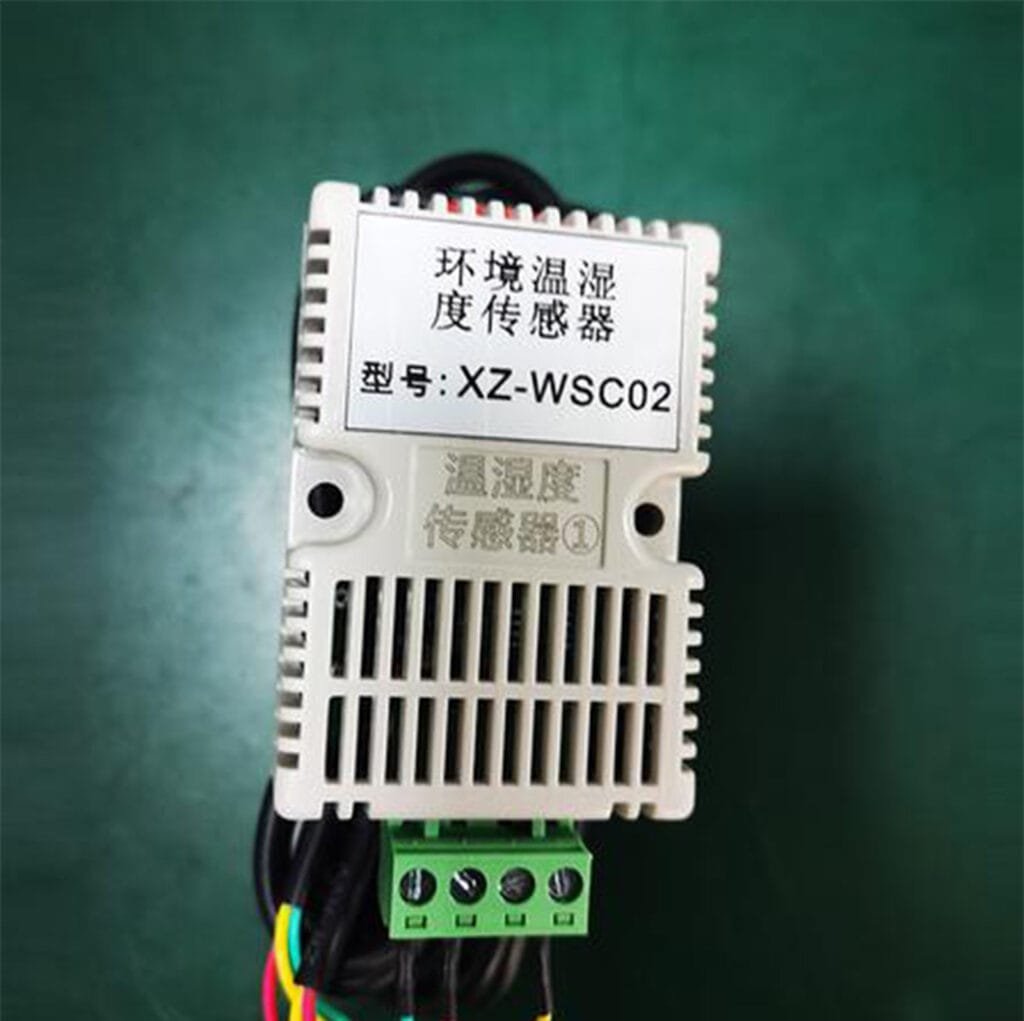
Dry-Type Transformer Maintenance Rules
Install ventilation and dehumidification devices inside distribution rooms, maintain qualified indoor humidity levels. Stop moisture from condensing on epoxy resin surfaces which leads to electric leakage and discharge.
Oil-Immersed Transformer Maintenance Rules
For outdoor installed oil transformers, install sunshade and rain shelters to block rainwater from entering the tank, which causes insulation oil deterioration and reduced dielectric strength.
Early Fault Signs of Neglected
Burnt odor inside cabinet, tiny discharge sparks on bushing surface, damp and corroded internal insulation parts
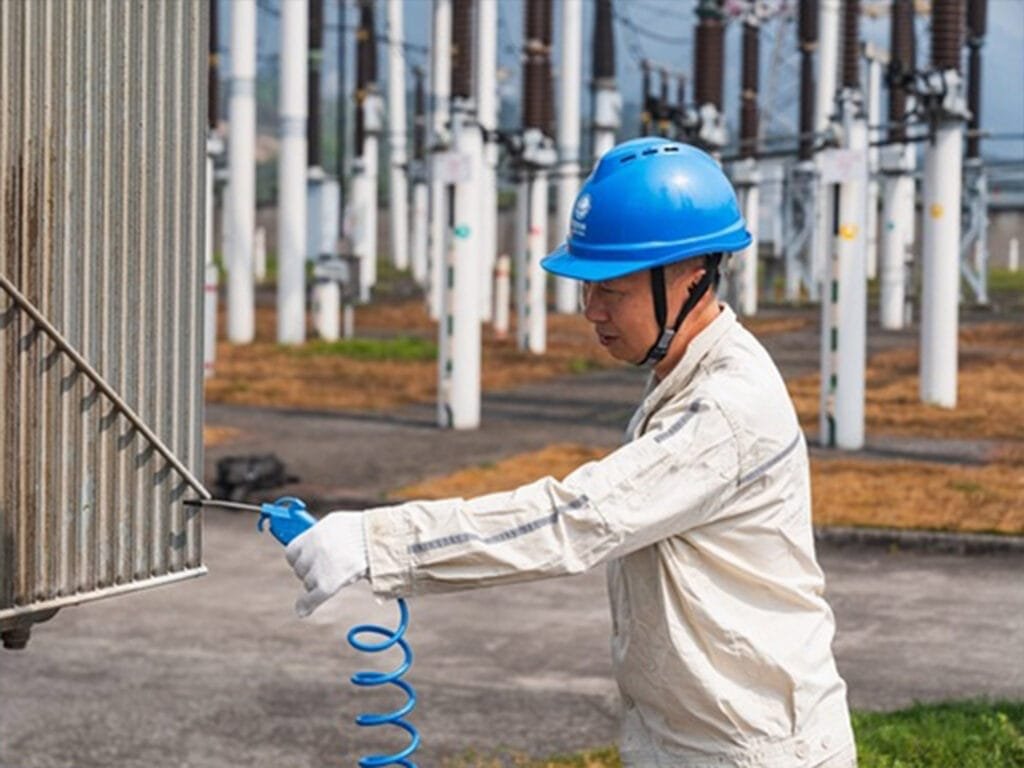
Tip 3: Regular Inspection & Complete Cleaning of All Heat Dissipation Components
Dust and grease accumulated on cooling channels and radiators create local hot spots that block heat dissipation. Sustained high temperature wears windings and insulation layers, drastically cutting service cycles.
Dry-Type Transformer Maintenance Rules
Blow off dust on windings and iron cores every quarter, test cooling fan linkage function to guarantee automatic startup under overheat conditions.
Oil-Immersed Transformer Maintenance Rules
Clean oil stains, fallen leaves and dust on radiators monthly. Inspect cooling oil pumps and fans to prevent stuck or stalled cooling devices.
Early Fault Signs of Neglected
Frequent cooling fan failure alarms; heat dissipation efficiency drops obviously with rising operating temperature under identical load conditions
Tip 4: Inspect All Terminals & Tighten Loose Connections
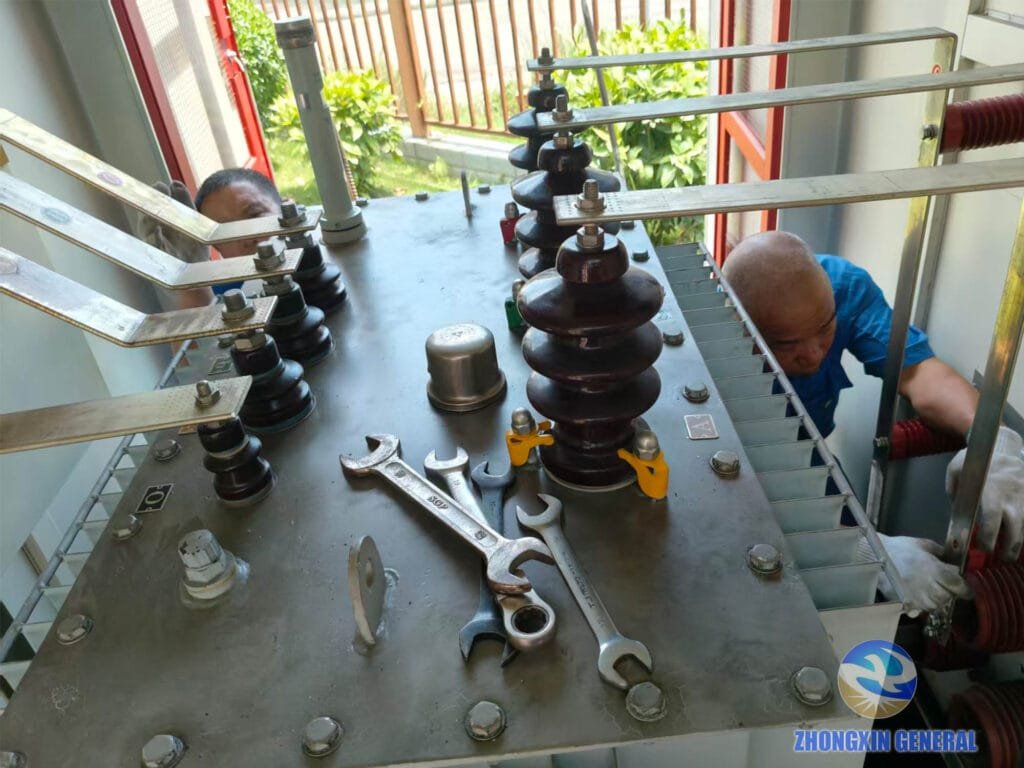
Loose wiring terminals increase contact resistance, creating local high heat during operation that burns leads and winding joints, triggering frequent tripping or permanent internal short circuits.
Dry-Type Transformer Maintenance Rules
Test high & low voltage terminal temperatures with infrared thermal imager monthly; shut down equipment every quarter to fasten all connecting bolts and eliminate virtual heating risks.
Oil-Immersed Transformer Maintenance Rules
Check anti-corrosion coating on bushing terminals, observe oxidation and black discoloration on wiring points, and repair rusted loose connectors timely.
Early Fault Signs of Neglected
Oxidized dark terminals, intermittent discharge noise during operation, irregular relay protection alarms
Tip 5: Regular Insulation Performance Test & Anti-Corrosion Protection
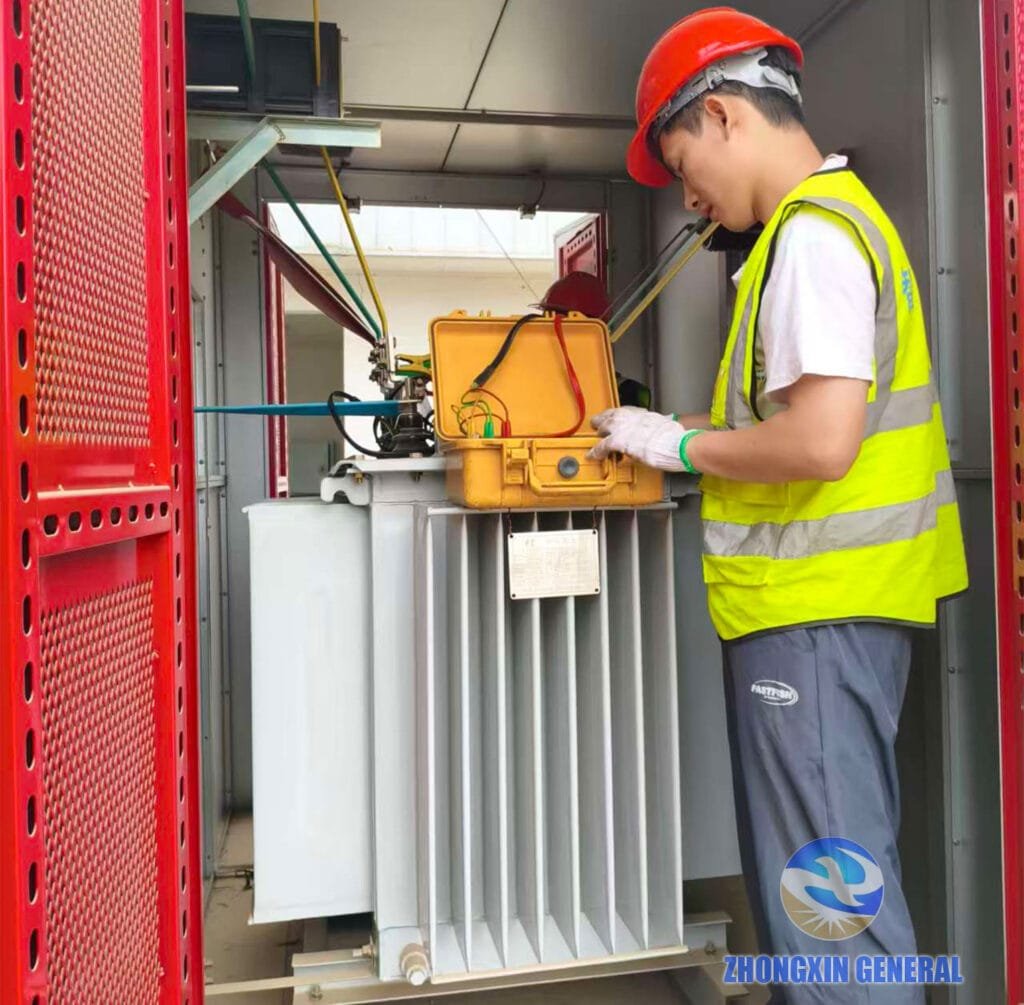
Cracked, damp or aged insulation is the root cause of winding short circuits and severe internal failures. Periodic insulation tests discover hidden hazards in advance to avoid sudden shutdowns.
Dry-Type Transformer Maintenance Rules
Daily visual check epoxy shell for cracks, carbonization and creepage traces. Shut down for repair immediately once insulation damage appears.
Oil-Immersed Transformer Maintenance Rules
Complete full insulation resistance test every year, inspect tank exterior anti-corrosion coating and aging sealing gaskets, replace failed sealing parts on schedule.
Early Fault Signs of Neglected
Continuous drop of insulation test value, obvious induced electric leakage on cabinet surface, persistent internal discharge noise
Tip 6 Special Insulation Oil Maintenance for Oil-Immersed Transformers (Dry Types Exempt)
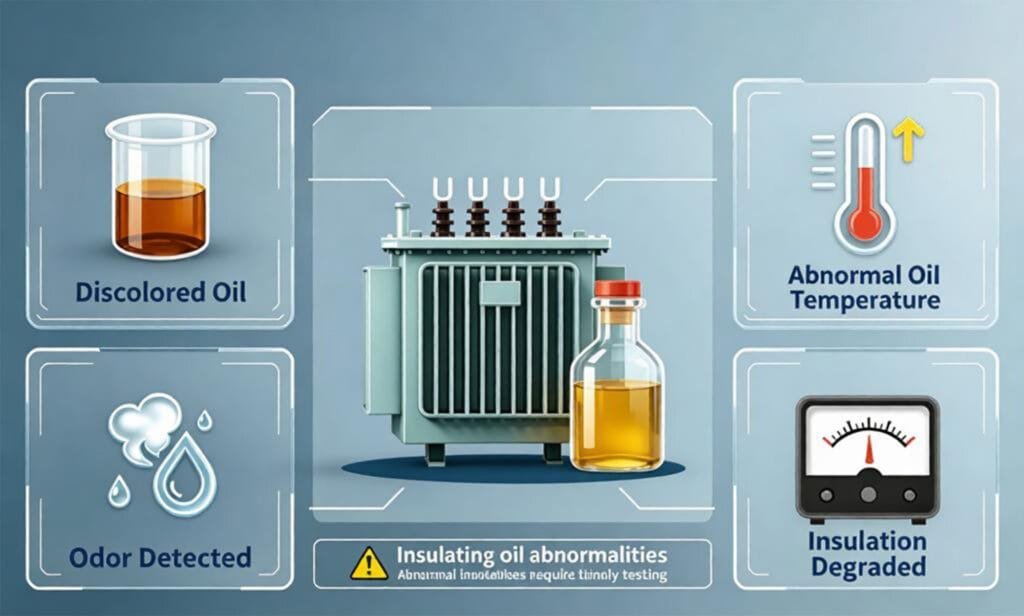
Oil immersed transformers rely on insulating oil for heat isolation, arc extinction and insulation. Degraded, water-contaminated or carbon-laden oil causes internal electric arcs and tank explosion risks, exclusive maintenance priority for oil transformers only.
Oil-Immersed Transformer Maintenance Rules
Conduct annual DGA oil chromatography test to identify hidden internal faults; replace color-changing silica gel in breathers regularly; inspect tank welds, flanges and valves for oil leakage fully.
Dry-Type Transformer Maintenance Rules
Dry transformers contain no insulating oil, so no oil sampling or lab testing required. Only keep distribution room clean and dry daily.
Early Fault Signs of Neglected
Black oil filled with carbon impurities, spontaneous oil level drop, frequent Buchholz relay tripping
Tip 7 Build Standard Inspection Logs & Implement Planned Preventive Maintenance
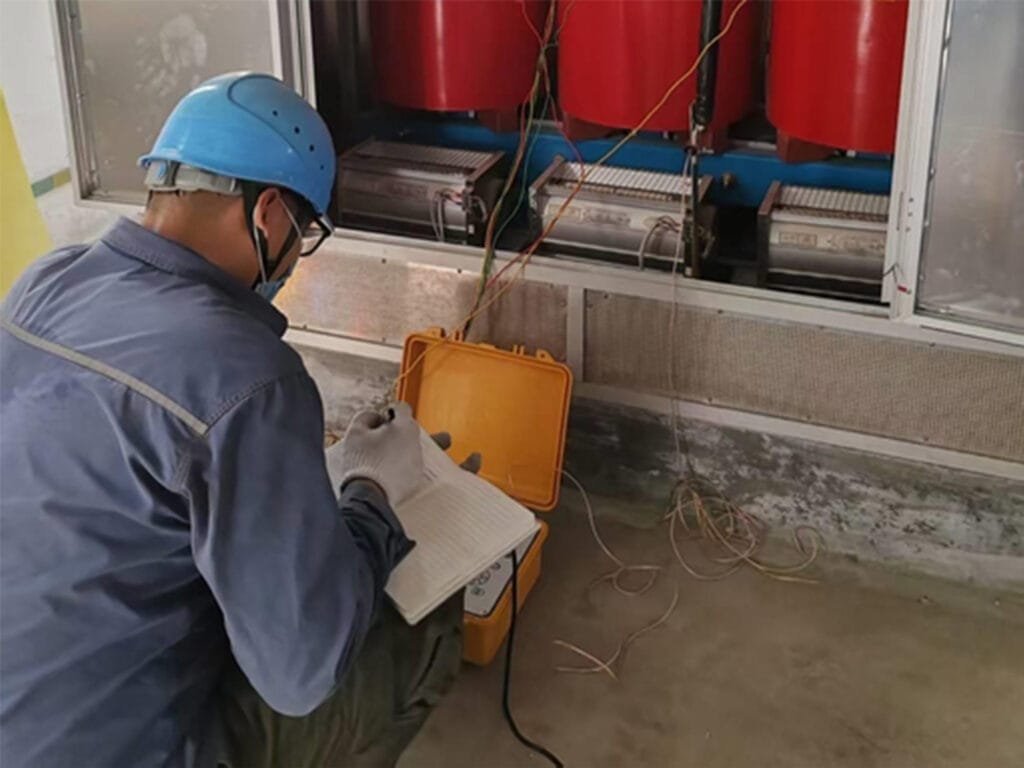
Without complete inspection records, maintenance teams can only conduct emergency repairs after breakdowns, failing to track equipment aging trends and letting minor risks escalate into severe accidents. Standard log management supports long-term stable operation.
Dry-Type Transformer Maintenance Rules
Form standardized inspection plans: daily visual patrol, monthly infrared temperature test, annual full insulation inspection. Record all equipment data completely every time.
Oil-Immersed Transformer Maintenance Rules
Based on dry transformer schedules, add annual oil testing, pressure relief valve calibration and Buchholz relay performance verification items.
Early Fault Signs of Neglected
Repeated identical overheat/discharge alarms without corresponding maintenance records; accumulated aging risks eventually lead to short circuit or fire accidents
Dry VS Oil Immersed Transformer Daily Maintenance Comparison Table
| Comparison Item | Dry-Type Transformer Maintenance Focus | Oil-Immersed Transformer Maintenance Focus |
|---|---|---|
| Core Preventive Risks | Dust accumulation, high ambient humidity, winding overheating | Oil leakage, insulating oil degradation, flammable gas buildup inside tank |
| Periodic Key Work | Quarterly dust cleaning, monthly temperature testing | Annual oil chromatography test, regular sealing leak inspection |
| Typical Early Fault Sign | Slight smoke, epoxy cracking, surface creepage discharge | Oil spray, internal abnormal noise, abnormal oil temperature rise |
Hidden Hazards Caused by Lack of Maintenance
- Long-term neglected dust cleaning: Dust buildup on windings creates partial discharge, resulting in winding short circuit and complete scrapping
- Continuous overload production: Accelerated insulation aging shortens transformer service life far below designed standard
- Ignoring annual oil testing for oil transformers: Internal high-temperature arcs form, bringing oil injection, fire and explosion hazards
- Unfastened terminals for years: Overheated joints burn out, triggering full plant power cut and suspended production
If these hidden dangers accumulate and worsen, losses will be irreversible. If you need industrial transformers with sufficient insulation and heat dissipation margin to resist aging under harsh long-term working conditions, contact our professional engineers for customized parameter solutions.
Frequently Asked Questions
Q1: How to make a complete maintenance cycle plan for dry-type transformers?
A: Complete visual patrol daily, infrared temperature testing monthly, full shutdown insulation inspection every year to form a closed-loop maintenance system.
Q2: Do oil immersed transformers need dust cleaning as frequently as dry types?
A: Oil transformer core maintenance focuses on oil testing and sealing inspection. Radiator dust cleaning every 3 months is recommended to avoid heat blockage and temperature rise.
Q3: Can these 7 maintenance tips effectively extend transformer service life?
A: Fully standardized maintenance slows insulation aging significantly. Compared with poorly maintained equipment, transformer service life can be extended by 10-15 years while drastically cutting breakdown downtime.
Conclusion
These 7 maintenance tips cover all core dimensions: load control, ambient management, heat dissipation cleaning, terminal inspection, insulation testing, insulating oil care and log recording. They help capture early fault signals and slow insulation degradation to maximize dry and oil immersed transformer service life.
Dry and oil immersed transformers feature completely different structures, so one-size-fits-all maintenance standards cannot be applied. Many low-cost, under-configured transformers on the market lack sufficient insulation and heat dissipation design allowance, leading to frequent overheating and short circuits even with regular maintenance.
All ZHONGXIN GENERAL dry-type and oil immersed transformers adopt pure copper windings and high-grade silicon steel sheets with redundant insulation structures, delivering stronger anti-aging and anti-failure performance under full load and severe environments.
We provide customized transformer solutions for photovoltaic power stations, industrial mines, charging piles and commercial buildings. Our engineers offer free parameter matching and power distribution safety schemes. Feel free to send inquiries for product quotations via our official channels.